A Comprehensive Guide to the Different Heat Sinks Used in Inverters
A heat sink is an essential part of any inverter system. They are responsible for dissipating the heat generated by the power transistors, preventing the system from malfunctioning due to overheating. In this comprehensive guide, we will discuss the different heat sinks used in inverters, including their advantages, disadvantages and various applications.
Finned heat sinks:
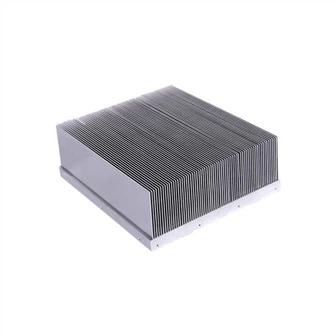
A finned heat sink is designed with a series of fins protruding from its surface. The fins increase the surface area of the heat sink, improving heat dissipation efficiency. These heat sinks are typically used in small, low power applications such as computer power supplies and LED drivers.
One of the disadvantages of finned heat sinks is that their small size and low weight limit their ability to dissipate heat. Therefore, they are not suitable for high power applications that require larger and heavier heatsinks.
Extruded heat sinks:
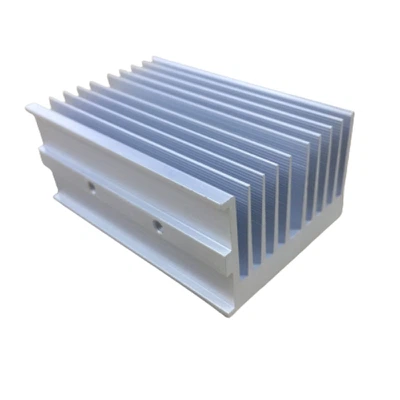
Extruded heat sinks are manufactured by pushing aluminum or copper into a die to form the desired shape. These heat sinks are easy to produce, are affordable and can be customized to fit specific applications.
Extruded heat sinks can be designed in a variety of shapes and sizes, depending on the application. Some common shapes include U-shape, L-shape, and straight. They are typically used in medium to high power applications such as power inverters and motor control.
Liquid Cooling heat sinks:
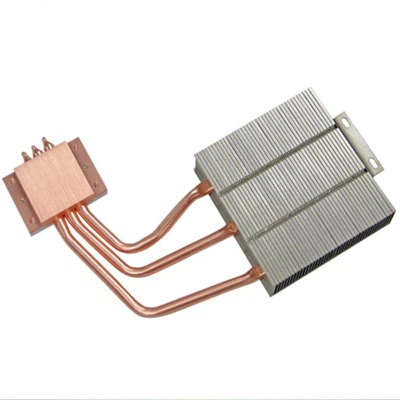
Liquid cooling heatsinks use liquid coolant to remove heat from your device. The liquid flows through the pipe network, absorbing heat and carrying it away from the equipment. These radiators are very efficient and can handle a lot of power.
Liquid-cooled radiators are used in high-power applications such as industrial motor drives and electric vehicles. They have the advantage of being highly customizable, as multiple radiators can be connected to create larger cooling systems.

Bonded Fin Heat Sinks:
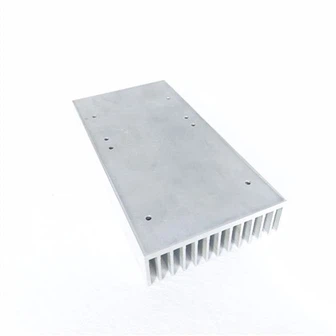
Bonded fin heat sinks are manufactured by bonding the fins to a base plate. The fins increase the surface area of the heat sink and improve the heat dissipation effect. These heatsinks are efficient, reliable, and provide excellent thermal performance.
Bonded fin heat sinks are commonly used in power inverters, electronic amplifiers and other high power applications. They are highly customizable and can be manufactured in various shapes and sizes depending on the application.
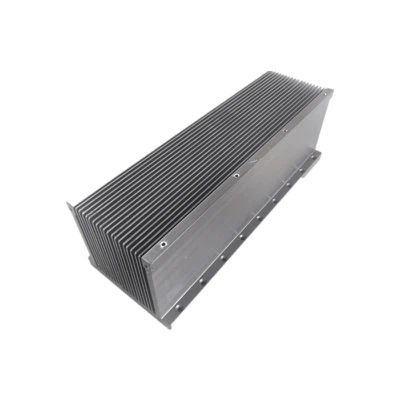
The heat sink is a critical component of any inverter system. Choosing the good heat sink for your application can significantly impact system performance, reliability, and longevity. By understanding the different heat sink types and their pros and cons, you can make an informed decision and select the best heat sink for the application.
Sinda Thermal is a leading thermal manufacturer in China, our factory was founded in 2014, and located in Dongguan city, China, we are offering varieties of heatsinks and other precious metal parts. Our plant possesses 30 sets advanced and high precious CNC machines and stamping machines, also we have many testing and experiment instruments and professional engineering team, so our company can manufacture and provide high quality products with high precision and excellent thermal performance. Sinda Thermal is commited to a range of heat sinks which are widely used in new power supply, New energy vehicles, Telecommunications, Servers, IGBT, and Madical. All the products accord with Rohs/Reach standard, and the factory is qualified by ISO9001 and ISO14001. Our company has been a partner with many customers for good quality, excellent service and competitive price. Sinda Thermal is a great heat sink manufacturer for the global customers .