How to choose a low-power dual-core radiator
In the era of low-power dual-core processors, consumers’ radiator performance focus has shifted, and noise control has become the primary consideration for most dual-core processor users, including many non-dual-core processor users. However, in the face of the so-called "dual-core" and "silent" radiator products on the market, do you know how to choose? In fact, if you want to truly understand how to choose the most suitable radiator, you need to look at many aspects. consider.
Heat sink material: The choice of heat sink needs to be decided by the user according to their actual needs, not high price is the best choice. "Only choose the right one, don't buy the expensive one", remember this principle is not wrong. The heat sink is roughly divided into three types: aluminum (alloy), copper, and copper-aluminum mixture. The low-power dual-core processor itself does not generate much heat. It is recommended that you give priority to using a heat sink made of copper and aluminum. This kind of heat sink fully combines the advantages of aluminum and copper. The base in contact with the processor is made of copper (also known as plug copper). The purpose is to use the high heat absorption efficiency of copper to quickly generate heat when the processor is working. Take it away and transfer it to the heat sink fins. Reusing aluminum's easy processing characteristics to produce a heat sink with a larger effective heat dissipation area, which significantly increases the temperature difference between the bottom and the upper part of the radiator, accelerates heat conduction, improves the overall heat dissipation effect of the radiator, and effectively reduces the weight and cost of the radiator . At present, many products of low-end dual-core radiators within one hundred yuan have adopted copper plug technology, and the user's choice is still very large.
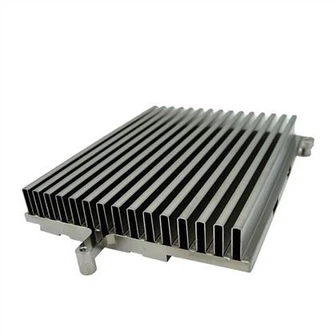
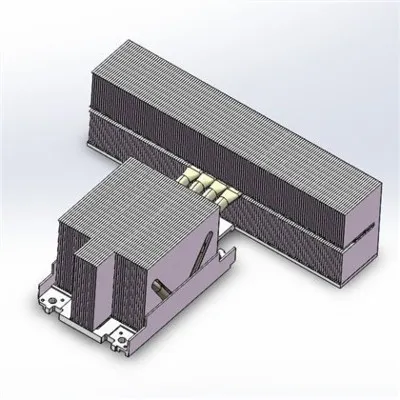
Heat dissipation area: We know that, under normal circumstances, the heat generated by the processor is conducted to the heat sink through the base, and the heat on the heat sink is taken away by the flowing cold air. Therefore, the size of the heat sink area determines the heat dissipation effect to a certain extent. Everyone must be clear about a concept. The so-called heat dissipation area refers to the heat exchange surface area, not the size of the heat sink. Don't mistakenly think that the larger the heat sink, the better the heat dissipation performance. If the heat sink is large, but the number of fins is relatively small, the heat dissipation effect will not be too good. Many high-performance radiators often use radial bifurcation or sawtooth designs on the fins, just to increase the heat exchange surface area and reduce the "pressure" of the fan. Therefore, when purchasing a radiator, players should choose to match this type of heat sink. The required heat sink.
Cooling fan: I once heard a word from dealers in the market: 9 out of 10 radiators that buy radiators now require silence. It is not difficult to see that there are more and more users who have requirements for mute, and the mute effect of the fan is the first to bear the brunt. To a large extent, the maximum speed directly determines the noise level of the fan. For a quiet radiator, we naturally hope that its speed is as low as possible. According to our experience, any radiator whose fan speed is controlled at around 2000rpm has a better mute effect. On the contrary, if the fan speed exceeds or is close to 3000rpm, the noise problem is more prominent. Therefore, when you decide to choose a cooling partner for your low-power dual-core processor, first pay attention to its fan speed. If the radiator is a non-adjustable speed fan above 3000rpm, there is basically no need to consider it!