How To Solve LED thermal Issue
The application of LED display screen integrating many advantages in the market is flowing, and there are conspicuous LED products everywhere in the city. As we all know, LED display screen is afraid of heat and water. Heat has a fatal impact on the performance of LED display screen, which directly affects the stability of display screen use process and the service life of display screen. Therefore, in order to reduce the impact of heat on LED display screen, we need to know the heat dissipation characteristics of display screen, and then make a reasonable heat dissipation design scheme for display screen.

Poor heat dissipation will cause adverse effects on LED display, such as:
1. Impact on the service life of the screen; Under the environment of high temperature for long time using, the LED may decay faster, so that the screen body can not reach the designed service life at all, and the screen will be spent after a long time of use;
2. Poor or uneven heat dissipation may lead to uneven heat dissipation throughout the LED lamp, and the uneven attenuation speed of the three LED lamps of red, green and blue will lead to color deviation of the screen body. The brightness of LED lamps everywhere is different, which will certainly lead to the whole screen flower screen and other phenomena.
To solve the heat dissipation problem of LED display screen, we need to start from the following aspects:
1. Fan cooling: a fan with long service life and high efficiency is used inside the lamp shell to strengthen thermal performance. This method has low cost and good effect. However, it is very troublesome to replace the fan, and it is not quite suitable for outdoor.
2. Surface radiation heat dissipation treatment: the surface of the lamp shell is treated with radiation heat dissipation. The simple thing is to apply radiation heat dissipation paint, which can bring the heat away from the surface of the lamp shell by radiation
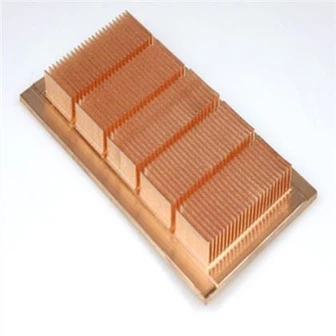
3. Aluminum fin heatsinks : This is a very common way of radiating heat.
Aluminum fins are used as part of the shell to increase the radiating area.
4. Aerodynamics: use the shape of the lamp shell to create convective air, which is a low-cost way to strengthen heat dissipation;
5. Thermal conductive plastic shell: fill the plastic shell with thermal conductive materials during injection molding to increase the thermal conduction and heat dissipation capacity of the plastic shell. The shell and heat conduction exist together. The material that kills two birds with one stone is a good choice;
6. Liquid bulb: the transparent liquid with high thermal conductivity is filled into the bulb of the lamp body by using the liquid bulb packaging technology. This is a technology that uses the light emitting surface of LED chip to conduct heat and dissipate heat in addition to the reflective principle.
7. Heat dissipation by heatpipe: the heat is guided from the LED full-color display chip to the shell heat dissipation fin by using heatpipea technology. It is a common design in large lamps, such as street lamps.