Hydrogen fuel cell thermal management system
The thermal management system of hydrogen fuel cell is to discharge the heat generated by the reactor reaction out of the system to keep the reactor working at the most appropriate temperature. A typical hydrogen fuel cell thermal management system cycle mainly includes: ① water pump, ② thermostat, ③ deionizer, ④ intercooler, ⑤ water heating PTC, ⑥ cooling module and ⑦ cooling pipeline.


Pump:
The water pump is the "heart" of the hydrogen fuel cell thermal management system. It works for the system coolant to circulate the coolant. Once the stack is too hot to extricate itself, the cooling water pump will increase the flow rate of coolant to cool the stack. In order to ensure that the heat generated by the stack can be quickly and effectively dissipated, the water pump itself should also have high "quality". Large flow, high head, insulation and higher EMC capacity are essential. In addition, the pump also needs to feed back the current operation state or fault state in real time.

Intercooler:
The function of intercooler is to cool the compressed air from the air compressor. It reduces the compressed air temperature through the heat exchange between coolant and air, so that the air temperature entering the reactor is within a reasonable range. The main structure is composed of core, main board, water chamber and air chamber. Intercooler is characterized by large heat exchange capacity, high cleanliness requirements and low ion release rate.

Deionizer:
During the operation of hydrogen fuel cell, the ion content of coolant will increase, which will increase its conductivity and reduce the insulation of the system. Deionizer is used to improve this phenomenon. The deionizer reduces the conductivity of the coolant and keeps the system at a high insulation level by absorbing the positive and negative ions released by the parts in the heat management system.

Positive Temperature Coefficient:
When the ambient temperature is low, fuel cells face the challenge of low temperature. Water heating PTC is used to heat the coolant during low-temperature cold start of the reactor, so as to make the coolant reach the required temperature as soon as possible and shorten the cold start time of the fuel cell system.

Thermostat :
The thermostat is used to control the size cycle of the cooling system. When the coolant temperature is low, in order to reach the required temperature of the system as soon as possible, the thermostat controls the flow direction of the coolant so that the coolant does not pass through the external radiator and fan to form a small circulating flow direction of the coolant. When the coolant temperature rises continuously and exceeds the appropriate temperature required by the system, the thermostat will slowly open to make part of the coolant flow through the external radiator for heat dissipation, so as to reduce the coolant temperature.

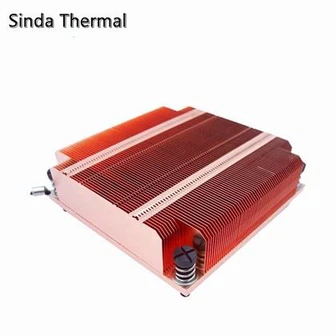
Thermal Heatsinks:
The heatsink is used to dissipate heat. It transfers the heat of the coolant to the environment and reduces the temperature of the coolant. The radiator body requires large heat dissipation, high cleanliness and low ion release rate. The fan of the radiator requires large air volume, low noise and stepless speed regulation, and needs to feed back the corresponding operation state.

Cooling pipeline:
As the "blood vessel" of hydrogen fuel cell, the cooling pipeline connects various parts to form a complete circulation of coolant. Like all parts, the cooling pipeline requires insulation and high cleanliness.

A better thermal management system helps to improve the service life of hydrogen fuel cell system, and a more reasonable comprehensive utilization of heat is conducive to energy conservation and emission reduction of the system. It is believed that with the development of hydrogen fuel cell industry, the corresponding thermal management technology will face more opportunities and challenges, and will enter a new stage of development.