Infrared thermal imaging technology application in thermal design
Overheating has always been the enemy of stable and reliable operation of products. When conducting product demonstration and design, the R & D personnel of thermal management need to take into account the needs of different market subjects and achieve the best balance between performance indicators and comprehensive cost. With the flexible use of infrared thermal imager, R & D personnel can greatly improve the work efficiency of all links of thermal design.

1、 Rapid assessment of thermal load
The infrared thermal imager can visually image the product temperature distribution, help the R & D personnel accurately evaluate the heat distribution, locate the area with excessive heat load, and make the subsequent heat dissipation design more targeted.

2、 Evaluation and verification of thermal design
There will be a variety of thermal solutions in the design stage. The infrared thermal imager can help R & D personnel quickly and intuitively evaluate different thermal solution and determine the technical route.
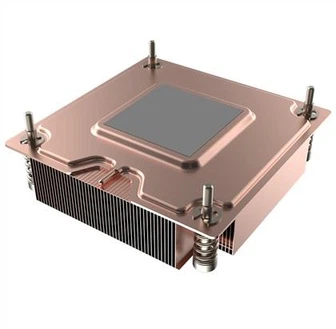
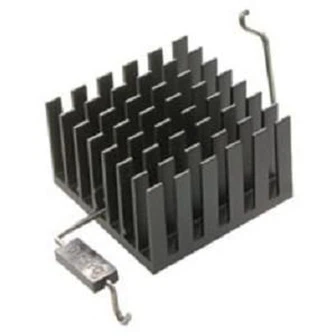
For example, placing a discrete heat source on a large metal heatsink will produce a large thermal gradient because the heat is slowly transmitted through aluminum to the fins. The R & D engineers plan to implant heat pipes in the heatsink to reduce the thickness of the heatsink plate and the area of the heat sink and reduce the dependence on forced convection, so as to reduce the noise and ensure the long-term stable operation of the product. The infrared thermal imager can well help engineers evaluate the effectiveness of the design.

3、 Comparison and selection of heat dissipation materials
After determining thethermal dsign, the engineer need to test and screen the thermal materials of different specifications provided by the supplier to achieve the balance of heat dissipation index and cost.
For example, in electronic products such as mobile phones, navigation and intelligent hardware, flexible thermal conductive materials such as aluminum foil patches and graphite cooling films will be used for heat dissipation. These materials have different brands, processes and specifications. With the help of infrared thermal imager, engineer can quickly evaluate their thermal performance and determine appropriate materials by comprehensively considering performance indicators and costs.

The unique characteristics of infrared thermal imager play a unique role in the field of thermal design. For R & D engineer, it can shorten the R & D cycle and improve product quality.