Powder Metallurgy Application
Powder metallurgy mainly uses metal powder as raw material and makes it into the shape we need through certain processing technology. This processing technology is very similar to the production of ceramics. Therefore, a series of powder metallurgy technology can also be used for the preparation and production of ceramic materials. Let's introduce the relevant knowledge of powder metallurgy process and understand the advantages and disadvantages of powder metallurgy process.

Advantages:
1. It can process special materials. The method of material powder metallurgy can produce refractory metals, compounds, pseudoalloys and porous materials.
2. Save metal and reduce cost. Because powder metallurgy can be pressed into the final size of the blank, there is no need to use machining.
3. Preparation of high purity materials. Powder metallurgy process does not melt materials in the process of material production, so it will not mix impurities brought by other substances, and sintering is finished in vacuum and reducing atmosphere, do not have oxidation issue and will not pollute materials. Therefore, the purity of the product is relatively high.
4. Correctness of material distribution. Powder metallurgy can ensure the correctness and uniformity of material composition in proportioning.
5. Mass production reduces costs. Powder metallurgy is suitable for the production of a large number of products with uniform shape, such as gears and other products with high processing costs. It can greatly reduce the production cost.
Disadvantages:
1. Powder metallurgy products have poor strength and toughness.
2. It can not be made into large products. Because the fluidity of metal powder is worse than that of liquid metal, its shape and size will be limited.
3. Die tooling cost is high. Because the cost of die manufacturing is too high, it is only suitable for mass production.
Development of Powder Metallurgy:
1. High quality structural parts: the representative of powder metallurgy is iron-based alloy, which will develop to large-volume precision products and high-quality structural parts.
2. High performance alloy: powder metallurgy produces high performance alloy with uniform microstructure, difficult processing and complete compactness.
3. Mixed phase special alloy: powder metallurgy uses enhanced densification process to manufacture special alloy generally containing mixed phase composition.
4. Processing unique and non general shape or composition of composite parts.

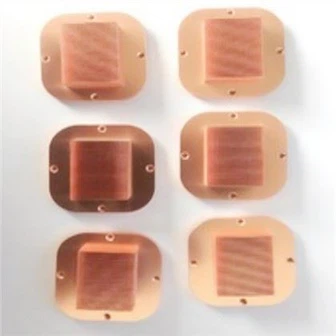
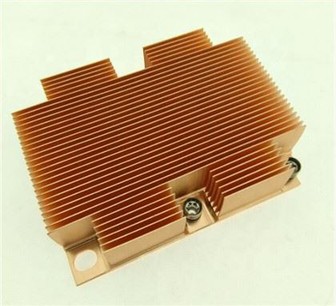
Powder metallurgy is now also used in the manufacture of thermal heatsink components, such as high-precision liquid cooling system, medical euipment heatsink . With the technology developed and prodution process improved, powder metallurgy will be more and popular in thermal heatsink design with it's advantages.