Static and dynamic LED cooling ways introduction
LEDs are complex devices. LEDs not only have common problems related to semiconductor design and operation, but also LEDs are mainly used to emit light. Therefore, optical coatings, beam management devices such as reflectors and lenses, wavelength conversion phosphors, etc. have further system complexity. Nevertheless, heat management is critical for reliable solid-state lighting (SSL) products. In addition, you need to understand how LEDs cool in the static and transient context.

For LEDs, two thermal management parameters need to be observed. One is the required operating temperature and the other is the maximum operating temperature. In general, the required operating temperature needs to be as low as possible. This can ensure high electro-optic efficiency, good spectral quality and long device life. Operating at high temperature will not only reduce the light generated by LEDs, but also reduce the quality and quantity, which will eventually trigger many fault problems.

Static LED cooling :
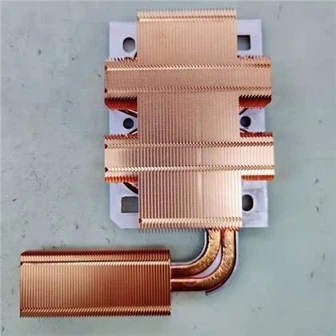
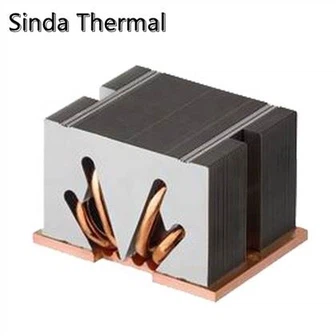
The conventional way to keep the LED cool is to install the LED device on the heatsink. The heat from the LED is conducted into the heatsink and then dissipated into the air. If the heat is removed by water or other fluids, the heatsink is sometimes called a cold plate, because the associated heat dissipation system is often designed to keep the working fluid at a fixed temperature lower than the indoor environment.

Dynamic LED cooling:
Driven by the cooling fan, the forced air cooling system makes the heat dissipation speed of the LED heating system faster and the effect higher; In addition, for high-power LED equipment, the use of liquid cooling system with circulating pump is also one of the applications of dynamic cooling.