What Affects The CPU Temperature
Computer CPU is like human brain. As the most important hardware of the whole machine, its performance directly affects the performance of the whole machine.
Generally speaking, it is normal for the CPU temperature to be controlled within the temperature range of 30 ℃. What is the temperature range of 30 ℃? In fact, it is very simple. For example, if the room temperature is 25 ℃, then the temperature range of 30 ℃is 55 ℃. That is to say, it is the most ideal condition to control the CPU temperature within 55 ℃at 25 ℃.

What are the factors affecting CPU temperature:
1. Ambient temperature. CPU temperature has a lot to do with the ambient temperature. It will be higher in summer. Generally, the temperature of CPU is within 50 ° when it is idle, 65 ° when it is busy, and 75 ° when it is working at full speed. Therefore, we suggest that the ambient temperature is too high in summer, and the computer should not be turned on for a long time, so as not to affect the service life of CPU; In winter, due to the low ambient temperature, we will find that the temperature of CPU is generally controlled at about 30 degrees. Too high CPU temperature will cause restart or blue screen crash.
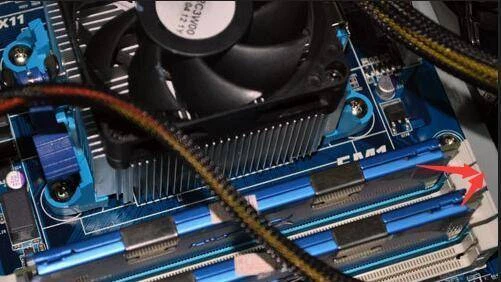
2. CPU fan quality. If the cooling fan of CPU is of poor quality and rotates slowly, it will also seriously affect the cooling of CPU, resulting in high temperature of CPU.

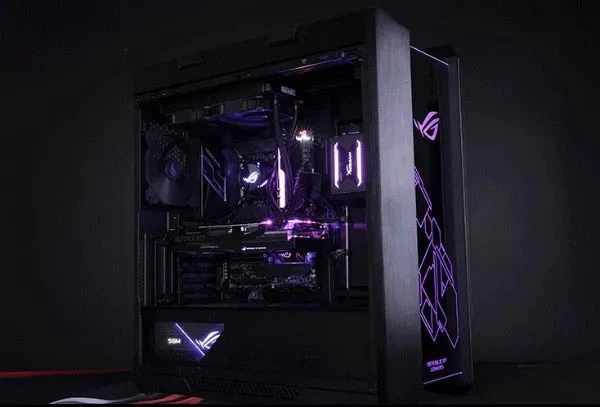
3. Host design. At the same time, if the design of the air duct of the host chassis is unreasonable, the internal hot gas cannot be discharged in time, and the temperature of the CPU will also be very high.
4. Overclocking. If the computer needs overclocking, it needs to increase the working voltage of the CPU. The increase of the working voltage will certainly increase the power consumption and naturally increase the calorific value. Once the calorific value and heat dissipation tend to balance, the temperature will no longer rise. The calorific value is determined by the power of the CPU, and the power is directly proportional to the voltage. Therefore, to control the temperature, it is necessary to control the core voltage of the CPU.