What are the possible reasons for high CPU temperature
A suitable cooling system should be able to effectively transfer the heat generated by the CPU and maintain it within an ideal operating temperature range. An efficient heat dissipation system not only relies on high-quality heat sinks and fans, but also includes reasonable airflow design so that hot air can be quickly discharged and cold air can effectively flow through the heat sinks, achieving efficient heat dissipation.

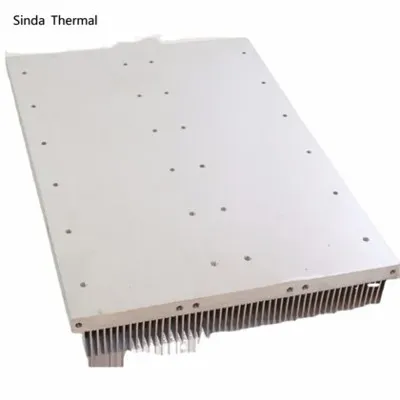
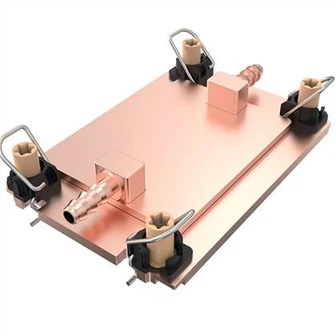
The core of the cooling system is the radiator and fan. A cooling system that is insufficient to handle the heat generated by the CPU can cause the CPU temperature to be too high. When the workload of the CPU increases, if the heat sink capacity is insufficient or the fan speed is not enough, it cannot effectively dissipate heat in a timely manner, leading to an increase in CPU temperature. The methods to improve heat dissipation performance include using larger or more efficient heat sinks, increasing fan speed, or using water-cooling systems. In addition, the design of the heat dissipation duct is equally important. A reasonable heat dissipation duct design can ensure that hot air is quickly discharged from the chassis and cold air flows smoothly through the radiator. Poor airflow organization inside the chassis can cause hot air to be trapped, affecting the heat dissipation effect.

Excessive CPU load is also an important reason for its temperature rise. When the CPU runs at high load for a long time, such as executing resource intensive tasks such as large games and video editing, the heat generated increases. Failure to timely and effectively dissipate heat can lead to an increase in temperature. Regularly checking the running programs in the background and closing unnecessary applications can alleviate the situation of excessive CPU load.

The function of thermal conductive paste is to fill the small gap between the CPU and the heat sink, improving the efficiency of heat conduction. Over time, thermal conductive paste may dry out and lose its original thermal conductivity. Regular replacement is necessary to maintain good heat dissipation. In addition, the accumulation of dust reduces the heat dissipation efficiency of the radiator and blocks the air circulation between the fan and the heat sink. It is necessary to regularly clean the dust on the radiator and fan.

All in all , dealing with the issue of high CPU temperature requires comprehensive consideration of the above factors and targeted measures to be taken to solve it. Regular maintenance and upgrading of the cooling system, reasonable scheduling of high load tasks, maintaining cleanliness inside and outside the computer, and paying attention to the temperature and ventilation of the usage environment are effective methods to avoid and solve high CPU temperatures.