What is heat sink in electronics
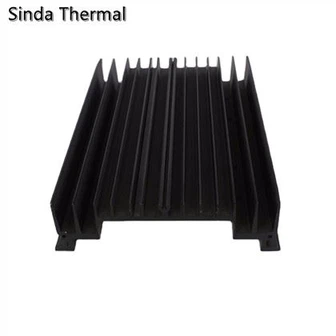
A heat sink is an important component of many electronic devices. It helps to dissipate the heat generated by the device and keep it running at optimal temperatures. Heat sinks are typically made from aluminum or copper, though other materials can be used as well. They usually consist of a flat base with fins or protrusions that increase their surface area, allowing them to dissipate more heat into the surrounding air. This allows for improved cooling performance and better reliability in high-performance applications such as gaming PCs and servers. Heat sinks also help reduce noise levels by absorbing some of the sound produced by fans.

Heat sinks come in various shapes and sizes depending on their intended application, but all of them serve a similar purpose: to move heat away from sensitive components so they don’t overheat and fail prematurely. In addition to providing thermal protection, some types of heatsinks also provide electrical insulation between two components which prevents short circuits caused by contact between two conductive surfaces.

The most common type of heatsink is called an active heatsink; this type uses a fan or other cooling mechanism to actively draw air through its fins or protrusions, thereby further increasing its ability to dissipate heat efficiently into the atmosphere around it. Passive heatsinks rely only on natural convection currents in order to cool down hot components; these are often found in low-power electronics where additional cooling isn’t necessary but still provides benefits such as reduced noise levels due to less fan usage overall.

In summary, a heat sink is an essential component for any electronic device that needs efficient thermal regulation for proper operation throughout its lifetime; without one, your device may suffer from premature failure due to excessive temperature buildup inside the case!