Will copper heatsink be replaced by other technology in PCB design
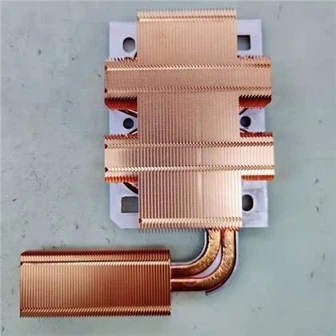
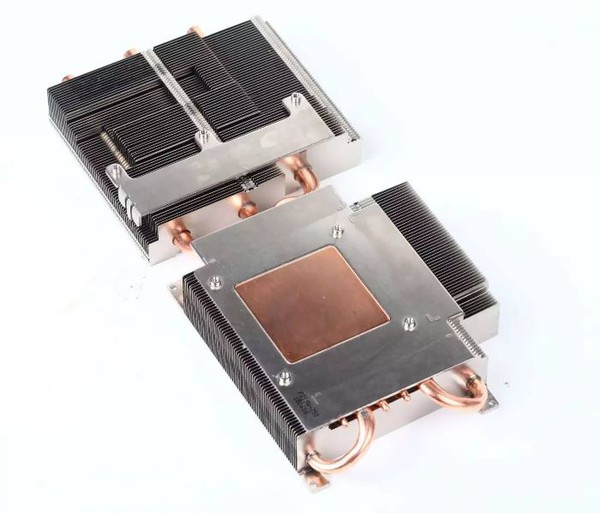
Copper, as a material for cooling heatsinks, has high thermal conductivity and can quickly transfer the heat generated by electronic components to other parts of the board or to the heat sink, thereby reducing the operating temperature of the components. Not only that, copper also has good processability and strength, and can be manufactured into thin sheets or other shapes to meet different heat dissipation needs. The stability and reliability of copper materials also enable them to maintain long-term heat dissipation performance in various working environments, which is crucial for electronic devices that require long-term operation.
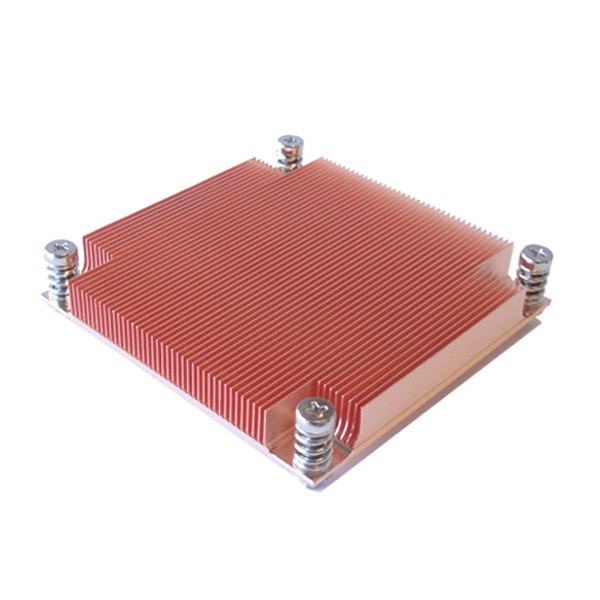
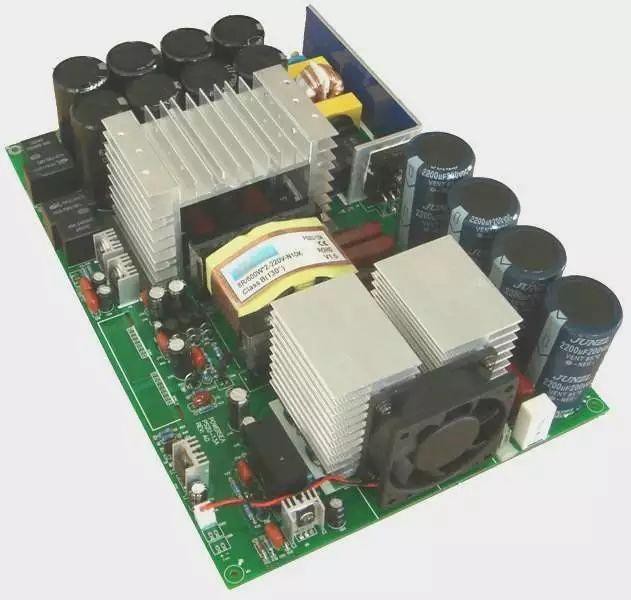
The copper heat sink in the PCB board is unlikely to be completely replaced by other technologies. Due to its excellent thermal conductivity, good processability, excellent mechanical properties, and conductivity, copper has become a widely used material in PCB heat dissipation applications. Nevertheless, new thermal management technologies and materials are constantly being researched and developed with the aim of improving efficiency, reducing costs, or adapting to specific application environments. For example, synthetic graphite materials with high thermal conductivity, advanced thermal interface materials (TIMs), active heat dissipation technology, and solutions based on nanomaterials and phase change materials are all research hotspots. These new technologies and materials may be replaced or shared with copper heat sinks in specific scenarios, depending on their performance, cost, and specific application requirements.
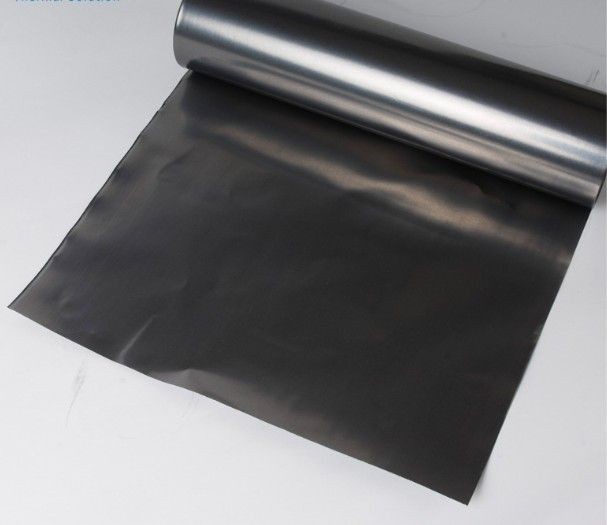
With the advancement of technology, new thermal management technologies are rapidly developing. For example, synthetic graphite and graphene materials with high thermal conductivity, due to their ultra-thin, lightweight, and thermal conductivity comparable to or even higher than copper, are gradually being applied in the field of heat dissipation. These materials can provide better heat dissipation performance in a smaller volume, which is particularly beneficial for electronic devices that pursue miniaturization and high-performance.
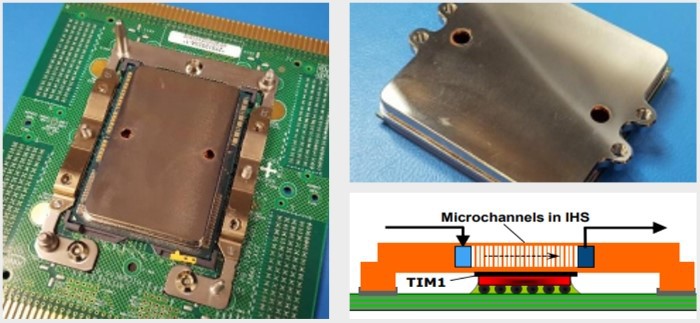
In addition, active cooling technologies utilizing porous materials, microchannels, and other structures are also receiving increasing attention. This type of technology increases heat dissipation surface area and improves heat dissipation efficiency by changing the structure of materials or through fluid dynamics design. Although these technologies may increase in cost and complexity, they provide new solutions for heat dissipation, especially in space limited applications, showing enormous potential.
Although copper has many advantages, it also faces some challenges. For example, the price of copper may have significant fluctuations due to the influence of the global market, and rising costs are an issue that cannot be ignored. Meanwhile, copper is relatively heavy, which may become a limiting factor in today's pursuit of lightweight equipment. In addition, as the power consumption of electronic devices increases, traditional copper heat sinks may experience hot spot issues due to heat concentration, affecting the uniformity of heat dissipation. In addressing these challenges, researchers are exploring the use of copper alloys or composite materials as alternative solutions to reduce material costs and weight, while also improving heat dissipation performance. Nevertheless, copper heat sinks cannot be completely replaced in many applications due to their excellent comprehensive performance.
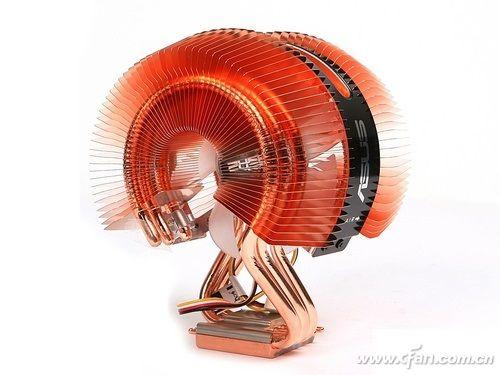
In some high-performance applications, such as servers and high-performance computers, relying solely on copper heat sinks may no longer meet the cooling needs. Therefore, composite heat dissipation schemes may be adopted in these fields, combined with copper heat sinks and other materials or technologies, to achieve more efficient thermal management. For example, using copper as the substrate for thermal interface materials (TIMs), combined with high thermal conductivity phase change materials or liquid metals, can significantly improve the overall thermal conductivity efficiency. Meanwhile, some highly integrated electronic devices may use liquid cooling systems combined with copper heat sinks to optimize heat dissipation through the transfer of heat energy through liquid media. This type of liquid cooling system often requires copper or copper alloy heating surfaces and connecting devices, still demonstrating the importance of copper in the field of heat dissipation.
Anyway, in the field of thermal management, the updating and upgrading of materials and technologies is an ongoing process. In the continuous exploration and innovation, the use of copper heat sinks may be limited, but they have long held a place due to their excellent comprehensive performance. The in-depth study of different materials and the integration and application of new technologies will bring more possibilities for solving the thermal problem of electronic devices.