An Overview of Cooling Types for LEDs
Light-emitting diodes, or LEDs, are one of the most energy efficient and cost effective ways to light up a space. However, as with any lighting system, proper cooling is essential in order to prevent damage from overheating. Fortunately, there are several types of cooling techniques that can be implemented when using LEDs. This article will provide an overview of the different cooling methods available for LED systems.
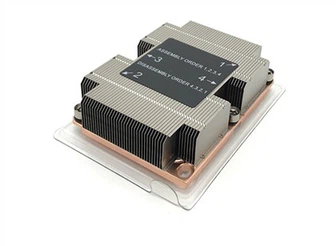
The first type of cooling used for LED lights is heat sinks. Heat sinks work by transferring heat away from the light source and into its surroundings through thermal conduction or convection. Heat sinks come in a variety of shapes and sizes depending on the size and design requirements of the lighting system they’re being used with. They also vary in terms of material composition; aluminum is often used due to its high thermal conductivity properties but copper or other metals can also be employed if needed. The advantage to using a heat sink is that it doesn’t require any additional power sources beyond what’s already required by the LED itself which makes it very efficient in terms of energy consumption and overall cost savings over time compared with other methods such as fans or liquid coolers.

The second type of cooling technique commonly used for LED lights is forced air circulation using fans or blowers (also known as active cooled systems). These systems utilize external motors to drive air through ducts directly onto the surface area where heat buildup occurs – typically around metal components like chipsets – thus dissipating excess warmth before it has a chance to impact performance levels negatively while improving reliability at higher temperatures than would otherwise be possible without this kind of assistance from outside forces (i.e., wind). A few advantages include improved efficiency since no extra power sources are required beyond those necessary for running these machines themselves plus extended lifespan due both longer operation times per unit as well better temperature management throughout each cycle/use period respectively; however drawbacks do exist such as potential noise issues during operation periods plus greater initial costs associated with purchase prices vs non-powered options like heatsinks discussed just above here too so careful consideration should always take place beforehand when deciding between various alternatives available today on market shelves nowadays regardless!
In addition to fan-based solutions, liquid coolers may also be applied depending upon specific needs within certain applications though their implementation tends towards more specialized uses only given complexity factors involved plus generally higher acquisition fees attached therein likewise making them less desirable choices comparatively speaking overall usually speaking again all else equal etcetera & vice versa/etc… Liquid coolers transfer heat away from sensitive components via thermally conducted liquids rather than moving parts found within fan units thereby reducing noise levels down significantly which could potentially become problematic otherwise especially at lower decibel level environments necessitating quieter operations say unlike ones outdoors perhaps instead? These setups tend towards larger scale installations requiring larger reservoirs capable containing enough fluid needed sustain steady flow rates across entirety duration usage cycles too typically speaking once more then finally!
To sum things up then briefly here once lastly: while multiple types / forms / means exist nowdays able assist managing temperatures encountered whilst working alongside LEDs themselves choosing correct option(s) still depends heavily upon individualized contextual scenarios encountered (i..e., environmental considerations etc…) so research must go done prior final decisions made accordingly hopefully said makes sense basically yeah? Anyhow hope y'all enjoyed reading thru blog post hope was useful informative helping decide best solution suited whatever particular application situation arises next time around thank you kindly.