The Cooling Solution of LEDs – What You Need to Know
LED lights have been around for a while, but they have recently grown in popularity as both general and professional lighting solutions. They have a wide range of applications in different environments including residential, commercial, industrial and medical settings. However, one of the disadvantages of using LED lights is that they generate heat during operation, which can cause damage or reduce efficiency over time. This is why cooling solutions are required to ensure longevity and reliability. In this article, we examine some existing LED cooling solutions such as passive air and active liquid cooling systems, forced air fans and thermoelectric coolers (TECs).
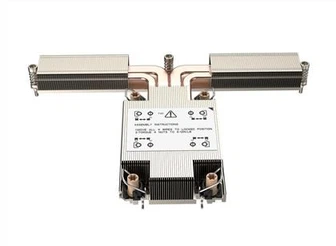
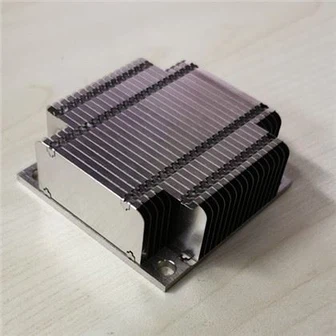
Heat sinks are the most common passive cooling solution for high power LED lamps because they help dissipate heat without the need for an external power source. They typically consist of an aluminum extruded base plate attached to a finned metal body that increases the surface area for efficient heat dissipation when exposed to drafts (such as near open windows and doors).

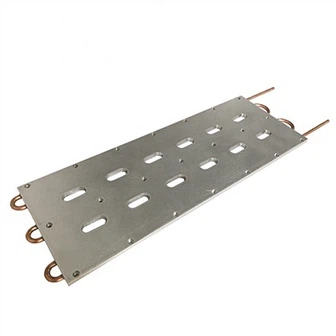
The cold plate provides another passive cooling mechanism, providing structural support and temperature control by diverting heat from hot spots within the LED array through cutouts in the custom two-part assembly. Air forced across these surfaces increases conduction, causing the temperature of all components to drop faster, making this setup ideal for high power applications where absolute reliability is required.
TEC modules rely on natural convection and use Peltier effect technology to actively regulate temperature by allowing current to flow through two separate sides. This setup heats one side and cools the other, regulating temperature more effectively than other cooling solutions.
In summary, choosing the right cooling solution for LED lights requires consideration of environmental conditions, safety, cost constraints, etc. to ensure optimal performance over the long term. A successful integration setup requires attention to implementation, feasibility, future maintenance requirements and manufacturer warranty, among other things. Before making a purchasing decision, be sure to try out your preferred cooling option to avoid unnecessary guesswork and enjoy the journey to achieve your desired goals.