Analysis of the cooling Principle of Photovoltaic Inverters
When operating inverters in summer, the shell temperature is relatively high and there is a feeling of being hot when touched. So is the inverter casing good for being hot or not? In order to better and faster reduce the temperature of components and ensure a longer service life of the components, a design with an integral shell in close contact with the heat sink is adopted, making the shell an important component of the system's heat dissipation. The heat dissipation performance is enhanced, and the shell temperature is higher, which is a normal phenomenon of inverter operation.
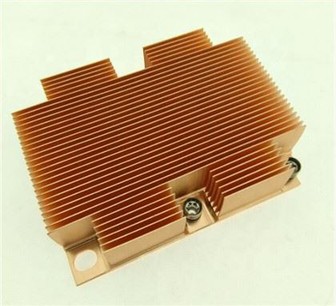
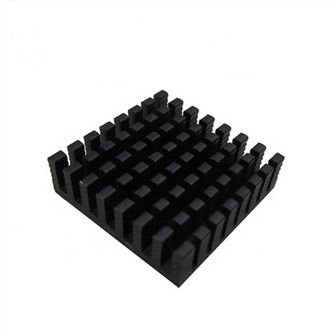
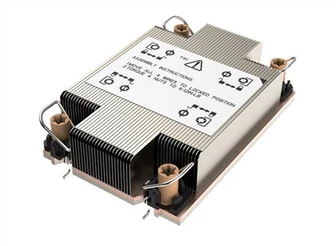
Silver has the best thermal conductivity, followed by copper and gold, followed by aluminum. Radiators are usually made of aluminum mainly because, compared to gold, silver, and copper, aluminum is lightweight, inexpensive, and corrosion-resistant. By using processing equipment, aluminum can be made into various complex shapes, which can meet the many requirements of the electronic and power industry for radiators. Therefore, it is considered the best material for making radiators.

The components in the inverter have their rated operating temperature. If the inverter's heat dissipation performance is poor, as the inverter continues to operate, the heat of the components cannot be transferred to the outside world, and the temperature will become higher and higher. Excessive temperature can reduce the performance and lifespan of components. In order to maintain the working temperature of internal components in the inverter within the rated temperature range, ensure its efficiency and service life, thermal conductive materials are needed to transfer heat from the inverter.

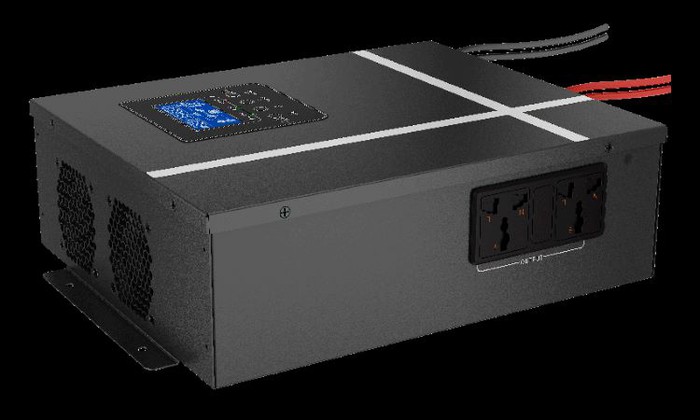
The inverter shell is made of aluminum alloy, which has good thermal conductivity. Adopting an integral shell structure, the heat sink is directly and tightly connected to the shell through a large area, and the heat of the components can be directly transferred to the aluminum alloy shell through the heat sink, forming a heat dissipation path from the components to the heat sink to the shell to the air.
In addition, the heat of the components can be transmitted to the outer shell through the internal air of the inverter, and then dissipated into the external air through the outer shell. Another heat dissipation path has been formed from the device, internal air, shell, and external air.

From the two main perspectives of the relationship between component temperature and lifespan, as well as the principle of inverter heat dissipation structure, the shell becomes a part of the system heat dissipation device and can share some of the heat of the components. Although the shell temperature increases and generates heat, the temperature of the internal components of the inverter will decrease even more! Faster! This ensures a longer service life and normal operation of components and inverters.