Photovoltaic Device cooling technology
Photovoltaic (PV) equipment thermal design is an issue that must be taken seriously for anyone who wants to use Photovoltaic technology in their home. PV systems need to convert a large amount of solar energy into usable electricity by utilizing photovoltaic panels. When this energy is converted, some amount of heat is generated. Without an effective heat dissipation design, it can lead to decreased performance, equipment damage, and even fires in the worst cases.

To cooling down the Photovoltaic device , convective heat transfer is utilized in most cases. This process involves the transfer of heat from a higher temperature area to a lower temperature area by the movement of air or fluids. Common methods of convective heat transfer used in PV equipment include forced air cooling, natural convection assisted cooling, and passive cooling.
Forced Air Cooling:
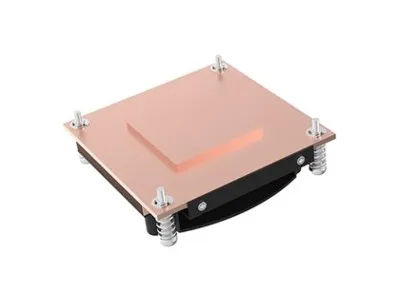
This is often the most common method of convective heat transfer utilized in PV equipment. Forced air cooling works with the help of fans, blowers or pumps. These fans circulate and generate air flow, which transfers the heat away from the equipment and dissipates it into the environment. This type of cooling has the advantage of being one of the most effective methods for quickly removing heat from the equipment.

Natural Convection Assisted Cooling:
This method of convective heat transfer utilizes natural convection current generated by differences in temperature in the environment. In PV equipment, this is done by designing the overall structure of the system in such a way that hot air is expelled out effectively while cooler air is drawn in. This type of cooling is effective, but takes longer to cool down the equipment than forced air cooling.

Passive Cooling:
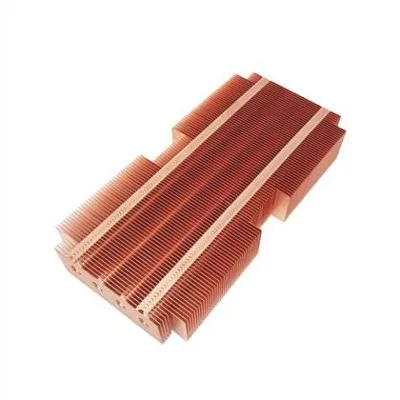
Passive cooling is another method of convective heat transfer used in PV equipment. This involves the usage of specially designed materials that are capable of dissipating heat more effectively than traditional materials. Examples of these materials include copper, aluminum, and even specially designed plastics. Passive cooling is the least efficient of all of the heat dissipation methods due its reliance on natural air currents, but it can still be effective enough for some applications. The overall efficiency of the heat dissipation design of a PV system will depend on many factors, such as the temperature of the environment, the size of the equipment, and the thermal properties of the materials used in the system. It is important to design an effective heat dissipation system that can handle both the initial start-up and the continuous operation of the equipment.

All in all , for anyone who plans to use photovoltaic equipment in their home, thermal design is an important issue. There are many different methods that can be used, such as forced air cooling, natural convection assisted cooling, and passive cooling. Each of these methods offers its own set of advantages and disadvantages, so it is important to choose the right design for each application. With an effective heat dissipation design, you can ensure that your PV system runs in a safe and efficient manner.