Application of Passive Cooling Management solution in Medical Electronic Equipment
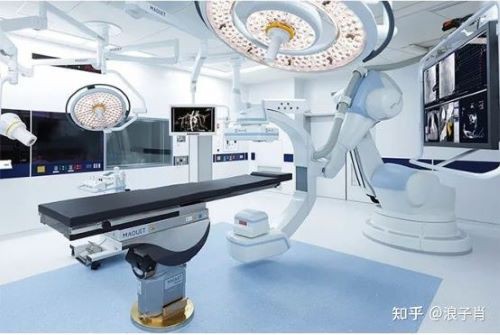
From imaging equipment to surgical instruments, and then to automatic immunity, the powerful medical technology of the 21st century is impressive, largely due to the improved computing power of microprocessors. However, for thermal engineers, these advancements have also come at a corresponding cost. The higher the power of the device, the greater its heat generation, and overall, it also needs to dissipate heat in smaller and smaller spaces (due to the smaller size of the device). With the increasing demand for precision and reliability of medical equipment, thermal control has become more important.

Another challenge arises from the fact that medical devices have certain special requirements due to their involvement in high risks. For example, due to the intimate relationship between certain materials and the human body, some commonly used materials in heat dissipation solutions (such as copper) cannot be used in many medical applications. Some medical applications may compress the space used for cooling solutions to almost disappear due to the need for precision. All these factors related to precision, reliability, size limitations, and strict material selection make medical heat dissipation engineering design a highly challenging task for designers. Heat transfer design engineers must make a trade-off between efficiency, size, and cost, and increasingly between heat dissipation performance and low noise.
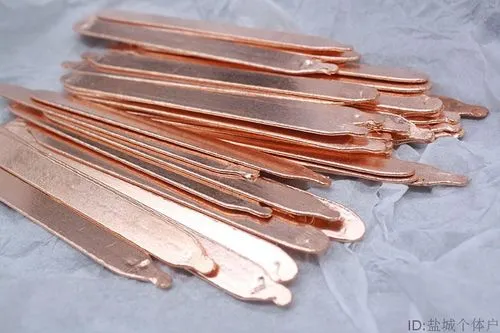
Thermal engineers are increasingly turning to passive heat transfer devices (such as heat pipes) to address these challenges. Because the working fluid inside the heat transfer tube exists in two forms: liquid and water vapor, the heat transfer tube is a two-phase cooling device. The transformation of working fluid from liquid to water vapor enables the transfer of heat. The working fluid inside the heat transfer tube undergoes a continuous cycle of evaporation, heat transfer, condensation, and the condensed working fluid is sent back to the evaporation zone. There will be no transmission component failure during this work process. The constantly advancing capillary structure technology helps to ensure that the cooled and condensed working fluid can resist gravity, effectively and reliably sending it back to the heat input section of the heat transfer tube. This allows the heat transfer tube to work in different orientations. In cases where there is more design freedom, designers can even use flexible thermal pipes.
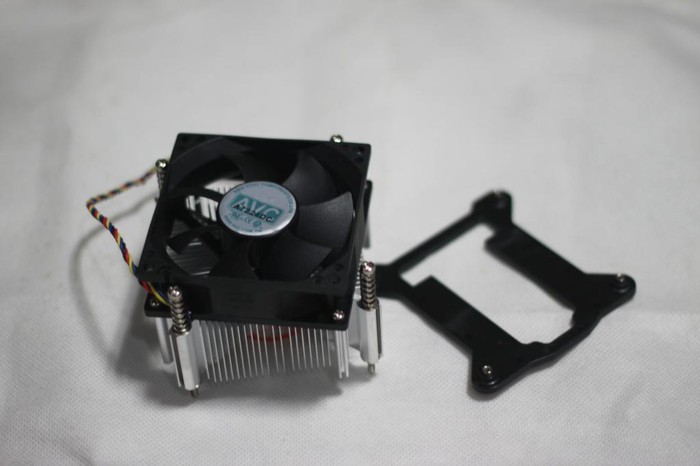
Another commonly used cooling solution is the heat sink. The heat sink can work in forced or natural convection mode. However, regardless of which approach is adopted, it means making a trade-off. If the airflow used for cooling is increased, it means that the number of fins or the area of fins can be reduced. However, the larger the airflow generated by the fan, the greater the noise it produces; If the airflow generated by the fan is small, the fan operates quieter and can be smaller in size, but this also means that the heat sink must have more or larger fins. Therefore, it is not easy to make the thermal components both smaller and quieter within the same device.
A simpler cooling solution is to use passive heat dissipation technology, combining heat sinks with embedded steam chambers (essentially adjusting a heat transfer tube to a flat state to become a flat heat transfer tube), or using heat sinks with surface integrated heat transfer tubes. Both of these schemes can achieve rapid and uniform heat transfer by evaporating the working liquid in the embedded heat transfer tube or vapor chamber. Water vapor carries heat evenly through the entire surface of the bottom plate and fins of the heat sink, avoiding the occurrence of hotspots. Because the heat sink is isothermal, the flowing air passing through the heat sink carries away the most heat.
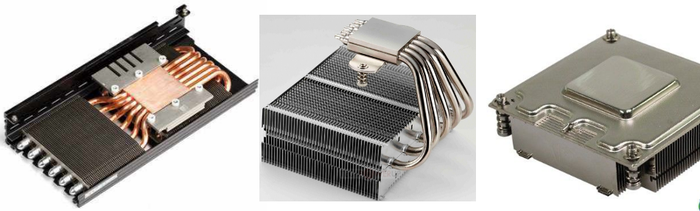
In the development process of medical equipment, passive thermal management is clearly a major factor in helping to ensure the accuracy and advanced functionality of current medical equipment, and can further enhance these capabilities. Passive cooling management solutions have valuable advantages in saving space, reducing weight, and reducing maintenance costs. Compared to cooling systems that rely on pumped liquids, passive cooling solutions have less impact on the environment. The improvement in the functionality and computing power of electronic devices has been generating more heat that needs to be dissipated, and the miniaturization of medical devices is gradually reducing the space for deploying heat management devices. Innovative cooling technologies play an important role in the future development of medical devices.