

Battery thermal management technology
Thermal management is a process in which batteries and other components use heating or cooling methods to regulate and control the temperature and temperature difference of the target object. The basic principles involved in thermal management include heat conduction, convective heat transfer, or thermal radiation, all of which involve temperature differences. Therefore, the process of thermal management requires energy consumption to create a temperature difference between the target object and the external environment. Its application scenarios are very diverse, and it has been widely applied in industries such as industry, communication, consumer electronics, servers, energy storage, new energy vehicles, etc. It has a very positive effect on the normal and stable operation of related equipment or electronic components. With the rapid development of related industries, the thermal management industry will also be increasingly valued.
The importance of thermal management:
1. Thermal management can prevent overheating and system failures. With the rapid development of thermal management related application scenarios, the functions of related equipment increase, and the operation of components accumulates a large amount of heat. Excessive heat accumulation can lead to damage to electronic components, decreased equipment performance, and even the collapse of the entire system. By implementing reasonable thermal management measures, heat can be effectively dissipated, ensuring that the system operates within the appropriate temperature range and improving system reliability.

2. Through thermal management, the performance and service life of equipment can be greatly enhanced. Taking the commonly used mobile phones as an example, due to the compact arrangement of the internal structure of the phones, there are hardly any gaps between various electronic components. If the heat from the battery and processor cannot be discharged in a timely manner, it will affect the various temperatures of other components, thereby disrupting the coordinated work of various hardware, not only affecting device performance but also affecting the lifespan of the phone.

3. From the perspective of the necessity of safety. Thermal management systems are indispensable in related industries. Taking the energy storage industry as an example, as the scale of energy storage stations increases and the number and power of batteries increase, a large amount of heat will accumulate during operation. If effective and timely heat dissipation is not achieved, it will lead to serious consequences of thermal runaway. Therefore, effective thermal management is of great significance for safety.
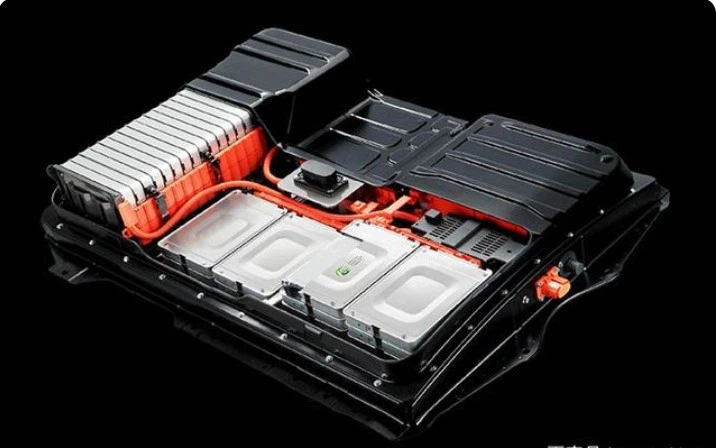
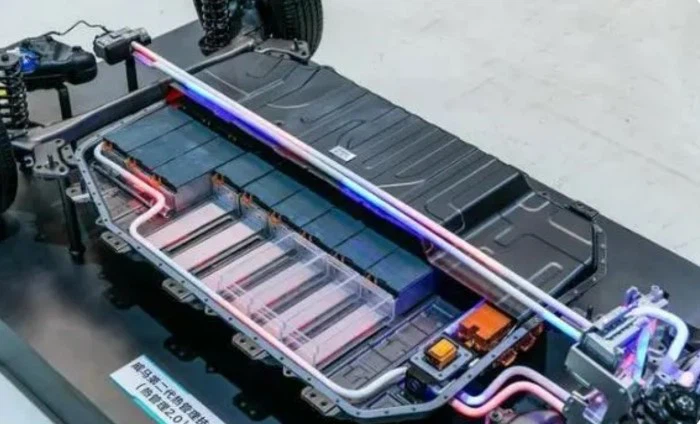
4. Thermal management can improve energy utilization efficiency. In new energy vehicles, high or low working environments can affect battery performance, thereby affecting the range of new energy vehicles. Through reasonable and effective thermal management strategies, the working temperature can be maintained at a reasonable temperature, energy consumption can be reduced, and operating costs can be reduced.

Types of thermal management technologies for new energy batteries:
Air cooling is a common and simple way of heat dissipation, which uses natural airflow or fans to blow away the heat absorbed by the radiator. It has the advantages of low cost, simple installation, reliability and easy maintenance, but is greatly affected by the environment, and early electric vehicle applications were more common.

Liquid cooling can be divided into cold plate liquid cooling and immersion liquid cooling. Cold plate liquid cooling is an indirect heat dissipation method, which uses the coolant in the cold plate to exchange heat with the battery by contacting the cooling plate and taking away heat through the cooling channel. Immersion liquid cooling is a heat dissipation method that involves immersing battery modules in insulating cooling liquid for heat exchange. Liquid cooling has advantages such as high heat transfer efficiency and uniform heat intensity, but its cost is relatively high.

Direct refrigerant cooling is the use of refrigerant from the vehicle air conditioning system to directly flow the refrigerant into the evaporator inside the battery. The refrigerant evaporates in the evaporator and efficiently takes away the heat from the battery system. This design is simple and easy to disassemble, with low maintenance costs in the later stage. However, direct heating is not possible and additional heating systems need to be added.

Phase change materials can be divided into three types: inorganic phase change materials, organic phase change materials, and composite phase change materials. The process of absorbing and releasing heat, with a stable system temperature, can achieve an approximate constant temperature effect, and has been applied in many fields. It has simple structure, small mass, and huge latent heat characteristics, but high replacement cost and poor stability.

With the development of related industries, the importance of energy consumption and safety by relevant departments, and the demand for stability of related products from customers, thermal management has been increasingly valued by manufacturers. Its characteristics of maintaining system stability, enhancing performance, enhancing security, and reducing costs are also favored by relevant industry professionals. Therefore, with the continuous development of related material technology, more and more solutions will be applied, and the application scenarios of thermal management will be further expanded.


