Cooling method and thermal recycling of Data Center
Data centers now use a large amount of energy and generate heat that affects the surrounding environment. In order to solve this problem, scientists around the world must find the most creative methods and find appropriate ways within the laws of physics. This has an impact on the entire building and surrounding areas at a macro level. At the same time, it also opens up possibilities at the micro level, down to the processor and even inside the processor.
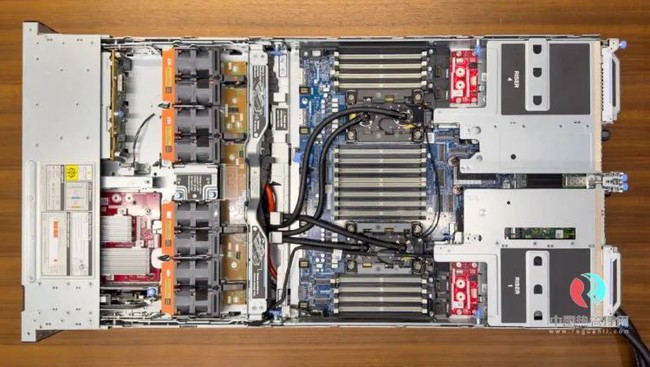
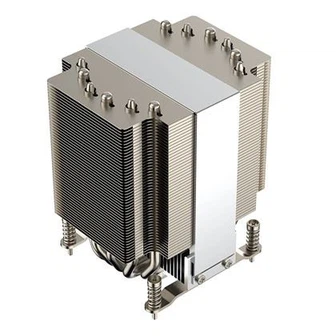
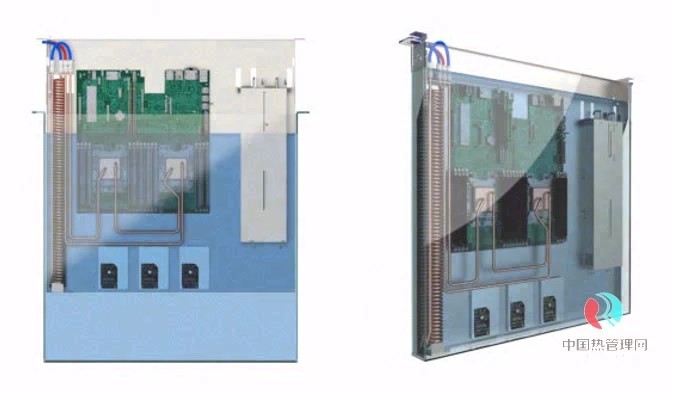
Although air cooling has developed to meet the greater challenges brought by each generation of technology, it faces the challenge of adapting to the next stage of computing. With the growth of IT demand, air cooling technology is gradually unable to meet the demand, and liquid technology needs to be deployed to handle the increase in processor level power. Chip level liquid cooling is not the only liquid option, immersion cooling is still an option, covering all components on the rack in non-conductive liquid, not just the CPU and GPU.
All the energy used in IT systems becomes heat. Heat is an inevitable output and a valuable commodity. What would happen if data centers were viewed as heat sources while computing was provided as a byproduct? This solution can achieve the reuse of heat and bring the prospect of regional heating systems, where data centers deliver their warm air and hot water to neighbors.

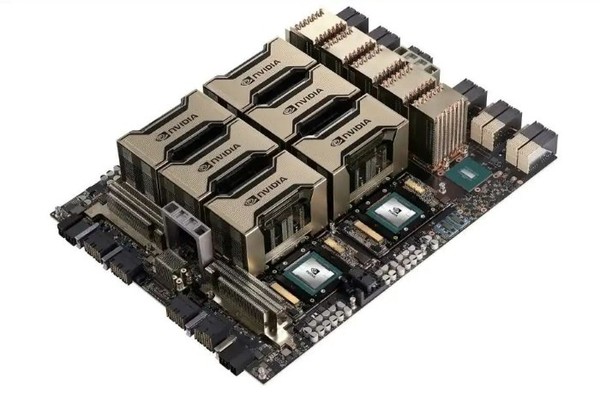
As the next generation of chip technology enters data centers, heat dissipation issues will only worsen. In order to better understand the heating characteristics of the upcoming CPU and GPU, a power of 750W is sufficient to power a small oil heater, keeping an ordinary room warm and comfortable throughout the winter. Each rack server has 8 750W GPUs, each cluster has 14 to 42 servers, and each cluster has almost 340 heaters. In a typical data center, those without effective cooling solutions will face the risk of collapse.
Data centers have been providing waste heat for many years. But few have been successfully used in practice. Data centers provide predictable heat supply as they keep servers running continuously. But this kind of heat is difficult to transport. Therefore, most data centers release heat into the atmosphere. Sometimes, there is a regional heating network that provides heat to local households and businesses through a pipeline network.