

Copper heat sink or aluminum heat sink? which one is a better solution
Heat sinks are important components of various electronic devices, preventing overheating and ensuring optimal performance. Two popular materials used for heat sinks are copper and aluminum. In this blog, we’ll take an in-depth look at the features and benefits of copper and aluminum heat sinks, aiming to guide you in making an informed decision when choosing a solution that better suits your needs.
Copper heat sink
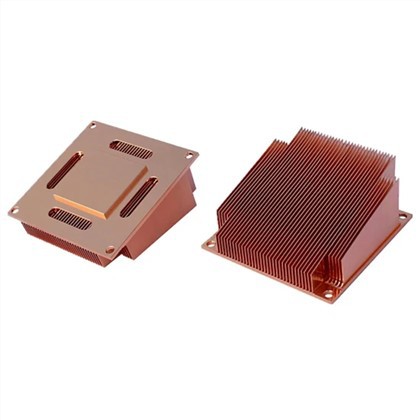
Copper heat sinks have been a reliable choice for cooling applications for many years. Due to its excellent thermal conductivity, copper effectively transfers heat away from electronic components, ensuring efficient cooling. The thermal conductivity of copper radiators is 401 W/mK, which is significantly higher than aluminum and can dissipate heat more effectively.
In addition, copper has excellent corrosion resistance, making it suitable for harsh environments or applications that require exposure to moisture or chemicals. Their rugged nature allows copper heat sinks to withstand higher operating temperatures, making them suitable for equipment that generates large amounts of heat.
Another advantage of copper radiators is their ductility. Copper is a highly ductile material, allowing heat sink manufacturers to shape and mold it into a variety of complex designs, increasing its cooling efficiency by increasing surface area. Copper's flexibility also allows efficient heat transfer from small heat sources or chips.
Although copper radiators have many advantages, they also have some disadvantages. Copper is much heavier and more expensive than aluminum, making it more challenging to handle during installation or shipping. Additionally, its higher price may impact the overall project budget.
Aluminum heat sink
Aluminum radiators have become increasingly popular over the years, mainly due to their lightweight nature and cost-effectiveness. Although aluminum has a lower thermal conductivity compared to copper, typically 150-200 W/mK, it is still a suitable heat dissipation material.
One of the significant advantages of aluminum radiators is their low density. This property makes them ideal for applications where weight reduction is critical, such as laptops, mobile devices or automotive parts. The lightweight nature of aluminum heat sinks makes them easy to install and reduces the overall weight of electronic equipment.
Another important consideration is the cost-effectiveness of aluminum radiators. Aluminum is more abundant and cheaper than copper, making it an attractive choice for cost-sensitive projects. This affordability allows manufacturers to produce heat sinks in large quantities without significantly affecting the price of the final product.
However, aluminum radiators do have lower corrosion resistance compared to copper. This can be solved by applying a protective coating or anodizing to improve its durability. Additionally, aluminum has a lower thermal conductivity and may require a larger surface area or larger heat sink design to achieve the same level of cooling efficiency as copper.

Choosing a copper or aluminum heat sink depends on the specific requirements of your application. Copper heat sinks offer excellent thermal performance and corrosion resistance, but are more expensive. Aluminum radiators, on the other hand, offer a lightweight and cost-effective solution, albeit with slightly poorer thermal conductivity and corrosion resistance. Ultimately, when making the appropriate choice for your heat sink solution, it is important to consider factors such as budget, cooling requirements, weight limitations, and environmental factors.
As a leading radiator manufacturer, Sinda Thermal can offer wide range of heat sink types, such as aluminum extruded heat sink, skived fin heat sink, pin fin heat sink, zipper fin heatsink, liquid cooling cold plate, etc. Aslo we can provide great quality and outstanding customer service. Sinda Thermal consistently delivers custom heatsinks to meet the unique requirements of various industries.
Sinda Thermal was established in 2014 and has grown rapidly due to its commitment to excellence and innovation in the field of thermal management. The company has a great manufacturing facility equipped with advanced technology and machinery, this ensures that Sinda Thermal is able to produce various types of radiators and customize them to meet the different needs of customers.

FAQ
1. Q: Are you a trading company or manufacturer?
A: We are a leading heat sink manufacturer, our factory has been founded over 8 years, we are professional and experienced.
2. Q: Can you provide OEM/ODM service?
A: Yes, OEM/ODM are available.
3. Q: Do you have MOQ limit?
A: No, we don't set up MOQ, prototype samples are available.
4. Q: What's the lead time of the production?
A: For prototype samples, the lead time is 1-2 weeks, for mass production, the lead time is 4-6 weeks.
5. Q: Can I visit your factory?
A: Yes, Welcome to Sinda Thermal.


