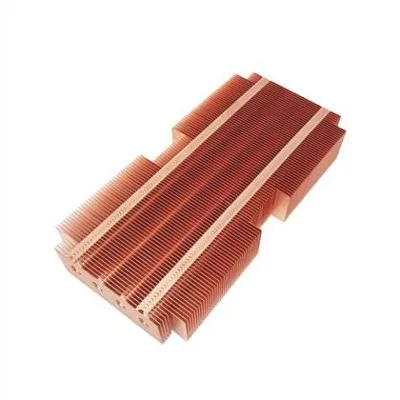
data center liquid cooling
With the development of the 5g , the demand for high-performance and high-density computing is accelerating, and the problem of data center energy consumption is becoming increasingly prominent.
If the heat dissipation is poor, the high temperature will not only reduce the working stability of the chip, but also produce excessive thermal stress due to the temperature difference between the module and the external environment, affecting the electrical performance, working frequency, mechanical strength and reliability of the chip. The failure rate of electronic components increases exponentially with the increase of working temperature. For every 10 degrees increase in the temperature of a single semiconductor element, the reliability of the system will be reduced by 50%.
Using liquid cooling instead of air cooling to cool computer equipment is a technological revolution in the future data center. According to researchandmarkets, by 2023, the global liquid cooling data center market will reach US $4.55 billion, with a compound annual growth rate of 27.7%.

Advantages of liquid cooling:
1. The heat taken away by the same volume of liquid is nearly 3000 times that of the same volume of air.
2. The thermal conductivity of liquid is 25 times that of air.
3. At the same heat dissipation level, the noise level of liquid cooling is 20-35 dB lower than that of air cooling.
4. The power consumption of liquid cooling system is about 30% - 50% less than that of air cooling system.
The so-called liquid cooling does not simply mean water. It refers to taking the liquid with high specific heat capacity as the transmission medium to take away the heat generated by it equipment or server and cool it. At present, there are three deployment modes of liquid cooling technology, namely immersion, cold plate and spraying.
Liquid cold plate:
The liquid cooling plate is fixed on the main heating device of the server, and the heat is taken away by the liquid flowing through the cold plate to achieve the purpose of heat dissipation. Cold plate liquid cooling solves the heat dissipation of devices with large heat generation in the server, and other heatsink components have to rely on air cooling. Therefore, the server with cold plate liquid cooling is also called gas-liquid dual channel server. The liquid of the cold plate does not contact the cooled devices, and the heat conduction plate is used in the middle for heat transfer, which has high safety.

Spraying liquid cooling:
The liquid is stored and opened on the top of the chassis. According to the location and calorific value of the heating body, the cooling liquid is allowed to spray the heating body to achieve the purpose of equipment cooling. The sprayed liquid is in direct contact with the cooled device, which has high cooling efficiency; However, when the liquid encounters high-temperature objects in the spraying process, it will evaporate, and the fog droplets and gas will be emitted to the outside of the chassis along the hole gap of the chassis, resulting in the decline of the environmental cleanliness of the computer room or the impact on other equipment.

Immersion liquid cooling:
Immerse the heating element directly in the coolant and take away the heat generated by the operation of servers and other equipment by relying on the flow circulation of the liquid. Immersion liquid cooling is a typical direct contact liquid cooling. Because the heating element is in direct contact with the coolant, the heat dissipation efficiency is higher and the noise is lower.

In addition to the traditional data center, with the advent of the era of edge computing, about 20% of the edge data centers will also adopt liquid cooling technology. The data center with liquid cooling system can recover the investment in the refrigeration system within two to three years after its completion, and the electricity saved in the later stage can be regarded as its income. And the larger the data center, the better.