

Electrical Device thermal design
At present, electronic components are developing towards miniaturization, high integration and high efficiency, which effectively improves the performance of electronic equipment, and the size of electronic equipment is also developing towards miniaturization. This makes the thermal design of electronic products more difficult. Electronic equipment is composed of multiple unit modules. When the equipment is powered on, these electronic components will generate a lot of heat, And the temperature inside the equipment will rise rapidly. If the heat cannot be transmitted and emitted in time, it will seriously affect the normal operation of the equipment, and even damage it. Therefore, the heat dissipation design is a very important part of the structural design of electronic equipment.

Way of heat transfer:
Generally, there are three forms of heat conduction: conduction, convection and radiation.
Selection of cooling mode:
Because electronic equipment has multiple electronic components, the structure of the equipment is also complex. There are many internal heat transfer modes of electronic equipment structure, and in many cases, many coexist. Therefore, the parameters of electronic components and working environment are required to select the heat dissipation method. Electronic components used in a humid environment need to adopt closed design to dissipate heat. For electronic equipment that does not need closed design, natural heat dissipation is selected as the heat dissipation method, However, for equipment that generates a lot of heat, it is necessary to promote heat dissipation or use forced air cooling to dissipate heat.
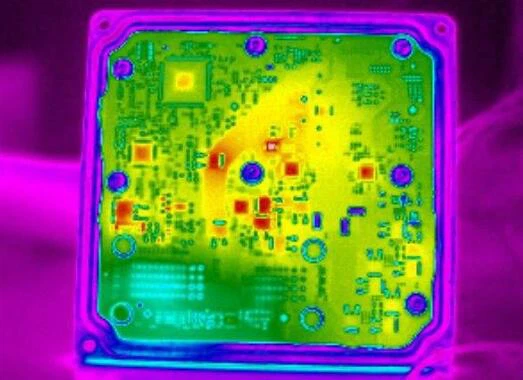
Mainly Thermal Design:
Natural convection cooling of air: use the equipment shell as the radiator, fix the heating device on the shell, and directly transfer the heat to the air. Natural cooling is more suitable for low-power heating devices.
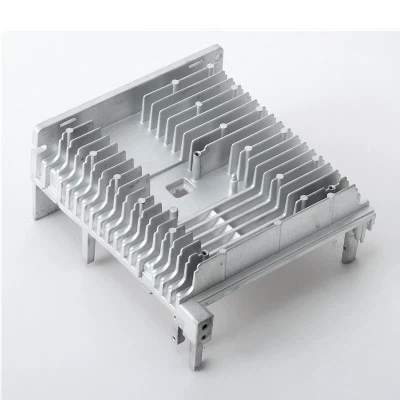
Forced convection cooling of air: it is not only simple in design, but also convenient and economical to use, and its use is more extensive because of it's high reliability.

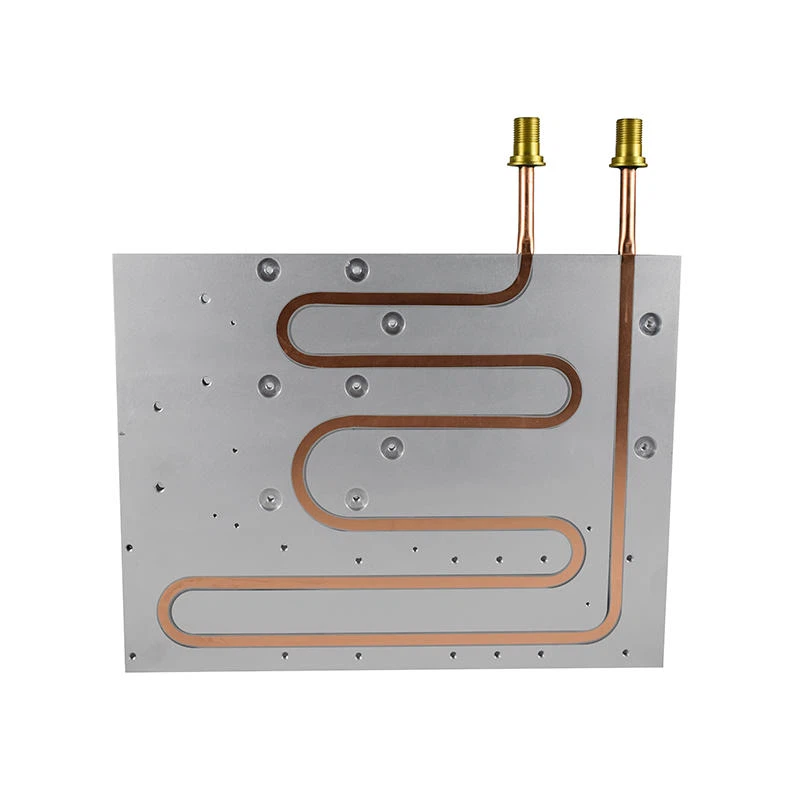
Liquid cooling: because of its high efficiency and compactness, it is widely used to cool electronic units with high thermal fluidity, and has become the focus of thermal design research. Liquid cooling can be single-phase or two-phase, mainly including direct or indirect cooling.
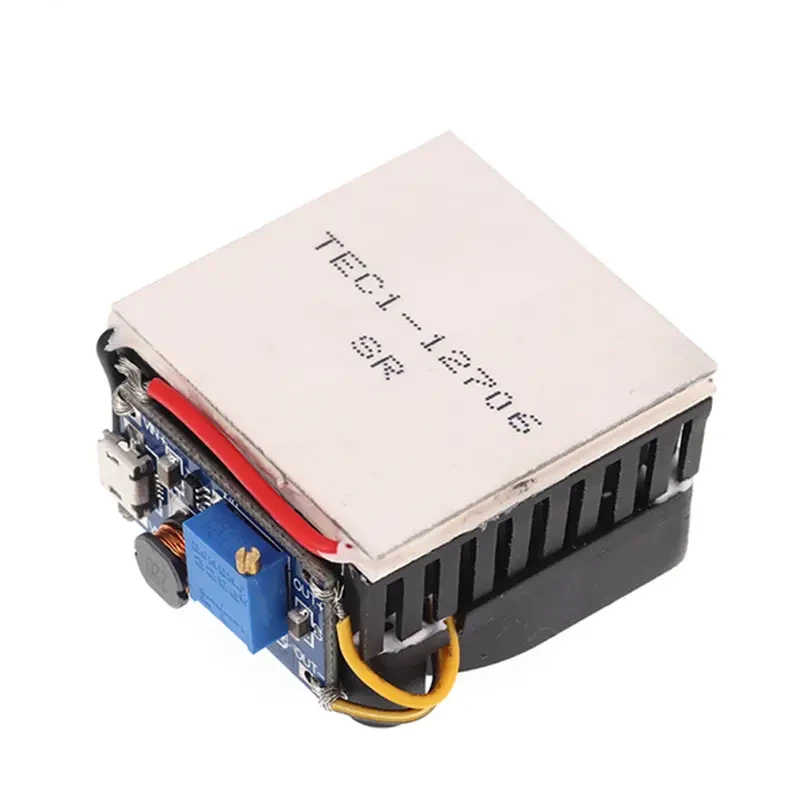
TEC Cooling: Its advantages are no noise and vibration, compact structure, convenient operation and maintenance, no refrigerant, and the cooling capacity and cooling speed can be adjusted by changing the current. It is widely used in systems with constant temperature and power density, and it can also be used to cool low-temperature superconducting electronic devices.
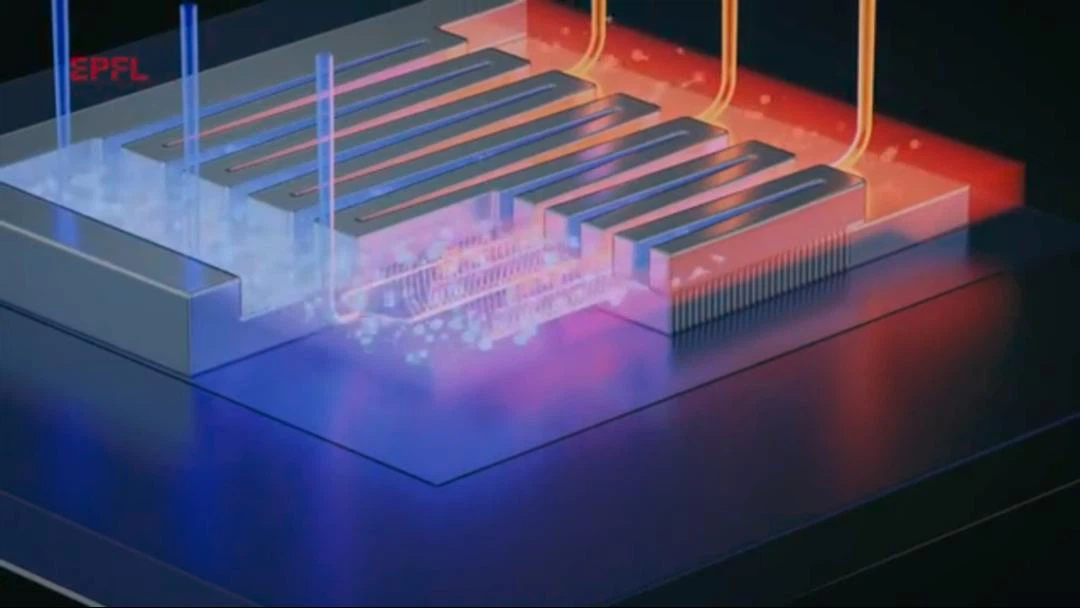
Microchannel Cooling:
On anisotropic silicon wafers or substrates, anisotropic etching is used to create scale channels. When the liquid flows through the scene channel, the liquid can heat or directly absorb heat energy. At this time, the liquid is in a very unbalanced state, and the heat transfer energy is large. In addition, experiments show that even when the coolant flows through the microchannel in a single phase, its cooling effect is far better than that of using liquid boiling for cooling.
In recent years, continuous research related to thermal design technology has been carried out. While continuously developing several materials with high thermal conductivity, the wide use of these materials will greatly improve the current heat dissipation technology of electronic equipment.


