Gernal design guide line of PCB applications
In PCB design, circuit design is the most basic for engineers. However, many engineers tend to be careful in the complex and difficult PCB design, but ignore some points to pay attention to in the basic PCB design, resulting in errors. The perfect circuit diagram may have problems or completely break down when it is converted into PCB. Therefore, in order to help engineers reduce design changes and improve work efficiency in PCB design, this paper puts forward several aspects that should be paid attention to in the process of PCB design.

Thermal cooling material:
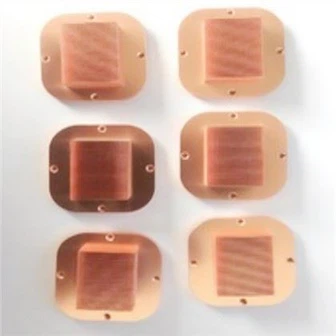
In the design of PCB board, the design of heat dissipation system includes the selection of cooling method and heat dissipation components, as well as the consideration of cold expansion coefficient. At present, the common ways of PCB heat dissipation are: heat dissipation through the PCB itself, adding radiator and heat conduction board to the PCB.

Component selection and layout in PCB design
In PCB design, there is no doubt that we have to face the choice of components. The specifications of each component are different, and the selection of appropriate electronic components is very important to the heating control of PCB. The layout also needs special consideration. When a large number of components are together, they can produce more heat, resulting in the deformation and separation of the solder resist layer, and even ignite the whole PCB. Therefore, PCB design and layout engineers must work together to ensure that the components have a suitable layout.

Design for testability
With the miniaturization of electronic products, the pitch of components becomes smaller and smaller, and the installation density will become larger and larger. There are fewer and fewer circuit nodes for testing, so it is more and more difficult to test the printed board assembly online. Therefore, when designing the PCB, we should fully consider the electrical, physical and mechanical conditions of the testability of the printed board, and use appropriate mechanical and electronic equipment for testing.

The choice of cooling heatsink:
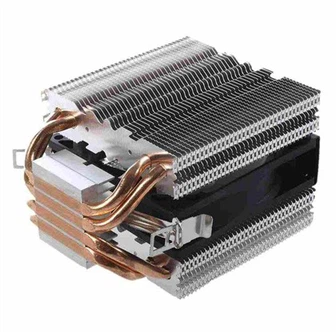
The function of the radiator is to transfer the heat from the heating parts of the PCB to the heat sink, and dissipate the heat into the air with the help of the cooling system, so as to ensure the optimal working temperature of the PCB. According to the specification and heating demand of PCB, select the appropriate size of radiator to increase the design service life of PCB.

If conditions permit, it is necessary to conduct thermal efficiency analysis of printed circuit. The thermal efficiency index analysis software module added to some professional PCB design software can help designers optimize circuit design.