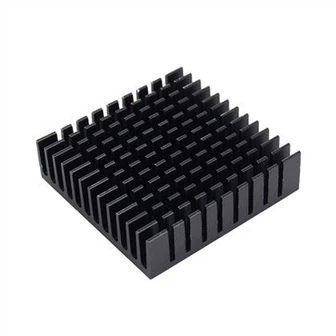
How does liquid cooling application in Switchboard
With the increase of the Internet, cloud computing, and big data services, the total energy consumption of data centers is increasing, and their energy efficiency is also receiving more and more attention. According to data statistics, the average Power Usage Efficiency (PUE) value of data centers in China is 1.49, which is much higher than the requirement proposed by the National Development and Reform Commission for new large data centers to be less than 1.25. Reducing PUE is urgent, how can network equipment manufacturers significantly reduce energy consumption while ensuring high performance of chips? The cooling system, as a key factor affecting both performance and energy consumption, has become a focus of data center reform, and liquid cooling technology, due to its unique advantages, is gradually replacing traditional air cooling as the mainstream cooling solution.
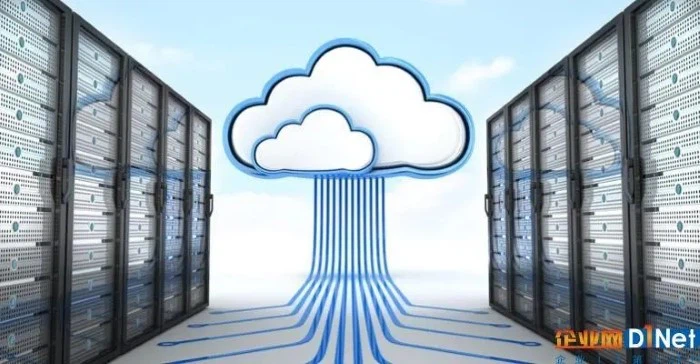
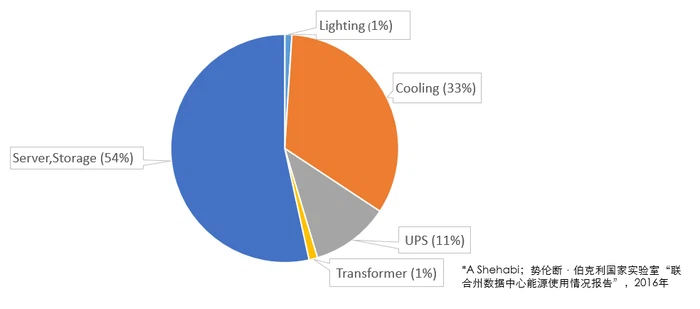
We found that the average energy consumption of data centers is as high as 33%, which is close to one-third of the total energy consumption of data centers. This is because the traditional air-cooled cooling system used in data centers uses air with very low specific heat capacity as the cooling medium, which is driven by fans inside the equipment to transfer heat from CPU and other heat sources to heat sinks away from IT equipment, Reusing fan coil heat exchangers or air conditioning refrigeration to circulate air for heat dissipation and cooling is also a necessary limitation of air cooling. Therefore, how to solve the energy efficiency of the cooling system has become a technological iteration challenge faced by equipment manufacturers in the new policy environment.
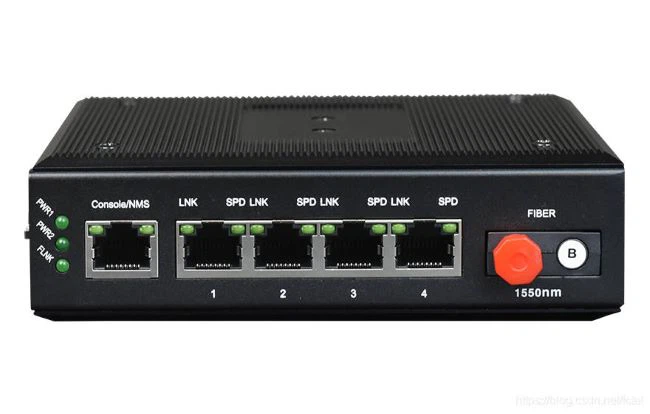
From the perspective of device chip heat dissipation requirements. With the development of switch chips, although high-performance chip processes (such as 5nm) can effectively reduce unit computing power consumption, as the bandwidth of the switch chip increases to 51.2Tbps, the total power consumption of a single chip has risen to around 900W. How to solve the heat dissipation problem of the device chip has become a difficult point in the overall hardware design. The cooling capacity of the air-cooled system is about to reach its limit. Even though air-cooled heat sinks can solve the current heat dissipation problems of switches, they will eventually be inadequate when 102.4/204.8Tbps becomes mainstream and chip power consumption increases in the future. Therefore, more efficient liquid cooling technology has emerged for the next generation of IT equipment. In the next 5-10 years, it has become a consensus in the industry that air-cooled cooling in data centers will gradually be replaced by liquid cooling.
The current liquid cooling technology is mainly divided into single-phase liquid cooling and two-phase liquid cooling. Single phase liquid cooling refers to the cooling liquid maintaining its liquid state throughout the circulating heat dissipation process, and easily taking away heat through high specific heat capacity. Two phase liquid cooling refers to the phase change of the coolant during the circulation heat dissipation process, where the coolant carries away the heat of the equipment through extremely high gasification latent heat. Compared to other methods, single-phase liquid cooling has lower complexity and is easier to achieve, and its heat dissipation capacity is sufficient to support IT equipment in data centers, making it the current balance choice.
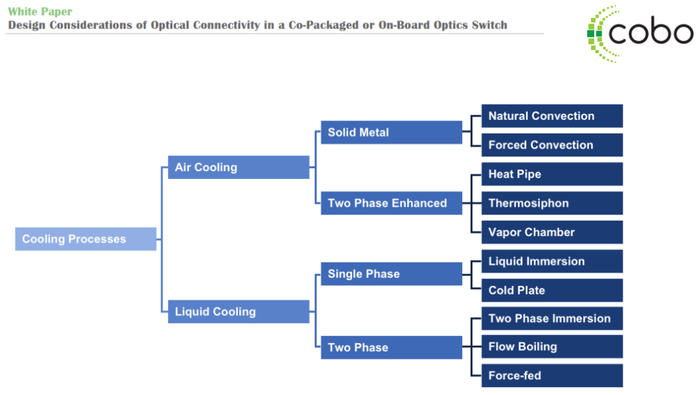
Single phase liquid cooling is divided into cold plate liquid cooling and immersion liquid cooling. Cold plate liquid cooling fixes the liquid cooling plate on the main heating device of the equipment, relying on the liquid flowing through the cold plate to carry away the heat and achieve the purpose of heat dissipation; Immersion liquid cooling is the process of directly immersing the entire machine in coolant, relying on the natural or forced circulation of the liquid to take away the heat generated by the operation of equipment such as servers.

The advantages of cold plate liquid cooling include: minimal modifications to the overall computer room, only requiring modifications to the rack, Cooling Distribution Units (CDUs), and water supply system. Moreover, cold plate liquid cooling can use a wider range of types of coolant and requires much less than immersion cooling, resulting in lower initial investment costs. In addition, the cold plate liquid cooling industry chain is more mature and more acceptable in the market.

The advantages of immersion liquid cooling include: (1) due to the direct contact of the coolant with the equipment, the heat dissipation ability is stronger, and the risk of device overheating is lower; (2) Immersive liquid cooling equipment does not require a fan, resulting in less vibration and longer service life of hardware equipment; (3) The temperature of the chilled water supply on the side of the immersed liquid cooling machine room is higher, and the outdoor side is easier to dissipate heat. Therefore, the site selection of the machine room is no longer as limited by the region and temperature as in the air-cooled era.
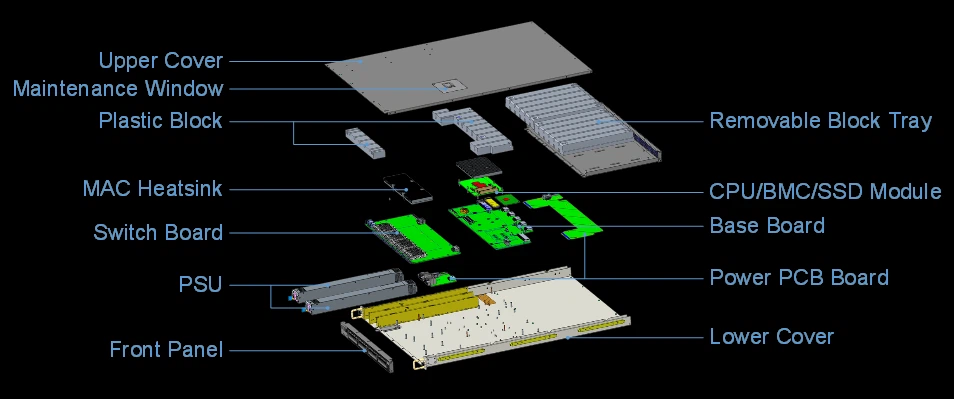
The application of liquid cooling technology in data center switches not only solves their own thermal problems, but also enables unified deployment with liquid cooling servers, facilitating the unified construction and operation of data center infrastructure. Liquid cooling supports the exchange of new technologies to maximize performance, develop more good data center products, and jointly build a green digital economy.