How does the outdoor LED display dissipate heat?
As the weather temperature gradually rises, the LED display is more prone to heat up. High temperature will risk the failure of electronic components, and affecting the reliability of the LED display. In order to control the temperature of the electronic component inside the LED display, the working temperature should not exceed the maximum temperature specified in the working environment of the LED display screen, and the thermal cooling of the LED display is required. How to achieve low cost and high quality of the thermal cooling design of the LED display is what we are going to learn.
There are three basic methods of heat transmission: heat conduction, convection and radiation.
When selecting the thermal cooling method, the following factors must be considered: the heat flux density, volume power density, total power consumption, surface area, volume, working environment conditions (temperature, humidity, air pressure, dust, etc.). Based on thermal solutions, there are natural cooling, forced air cooling, liquid cooling, evaporation cooling,and heat pipe heat sink cooling.
The thermal design of LED display. The conduct area of heating component with the LED heat sink and the temperature gap between the heating electronic components and the heat sink directly affect the thermal performance. This involves the air volume design and air duct design entering the LED display box. When designing ventilation pipelines, try to transport air as much as possible to avoid rapid turn and bending pipes. Ventilation pipes should avoid sudden expansion or contraction. The expansion angle shall not exceed 20 °, and the shrinkable cone should not exceed 60 °. The ventilation pipes should be sealed as much as possible, and all overlap joints should be directed in the air flow.
LED box design Note: The ventilation holes should be set near the upper side of the box. The inlet should be set on the lower side of the box, but it should not be too low to prevent dust and water from entering the boxes installed on the ground.
The thermal design should make the natural air flow assist the forced air flow, the air must be circulated from the bottom of the box to the top, and an approriative air intakes or exhaust holes should be used, cooling air should flow through the heating electronic components and prevent short circuit of air flow. The air inlet and air outlet should be set up to prevent debris from entering the box.
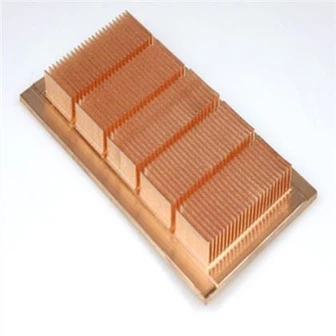
When designing the thermal cooling system, the air inlet should be away from the outlet. Ensure that the direction of the radiator's altitude is parallel to the wind direction, and the radiator's altitude cannot block the wind path. The fan is installed in the system. Due to the limitation of the structure, the air inlets and air outlets are often blocked, and their performance curves will change. According to practical experience, the distance between the air inlets and air outlets of the fan and the barrier is 40mm. If there is space limit, at least 20mm is required.

Sinda Thermal is professional thermal expert, we are offering many thermal solutions and heat sinks to the global customers, we can design the optimized performance heat sinks and manufacture them in house, our factory owns over 100 employees and many precise facilities and equipment. Please contact us freely if you have any thermal requirements.