How to solve LED thermal issues?
The reason for the heating of the LED lamp:
The reason for the heating of the LED lamp is because the added electric energy is not all converted into light energy, but part of it is converted into heat energy, and the electric-to-optical conversion efficiency is about 20-30%. In other words, about 70% of the electrical energy is turned into heat. Specifically, the junction temperature of the LED is caused by two factors: First, the internal quantum efficiency is not high, that is, when electrons and holes recomb Current leakage" reduces the recombination rate of carriers in the PN region. The leakage current multiplied by the voltage is the power of this part, which is converted into heat energy, but this part does not account for the main component, because the internal photon efficiency is now close to 90%. Second, all the photons generated inside cannot be emitted to the outside of the chip and finally converted into heat. This part is the main one, because the current so-called external quantum efficiency is only about 30%, and most of them are converted into heat.
The solution to the heat dissipation of LED lights:
To solve the heat dissipation of LED lights, we mainly start with two aspects. Before and after packaging, it can be understood as LED chip heat dissipation and LED heat dissipation for a long time. The heat dissipation of the LED chip is mainly related to the choice and process of the substrate and circuit. The heat dissipation of the LED lamp itself is because any LED will be made into a lamp, so the heat generated by the LED chip is always dissipated into the air through the shell of the lamp. If the heat dissipation is not good, because the heat capacity of the LED chip is very small, the accumulation of a little heat will make the junction temperature of the chip increase rapidly. If it is operated at a high temperature for a long time, its life will be shortened quickly. However, there are many ways for this heat to actually guide the chip to the outside air. Specifically, the heat generated by the LED chip comes out of its metal heat sink, first passes through the solder to the aluminum substrate PCB, and then passes through the thermal conductive glue to the aluminum heat sink.
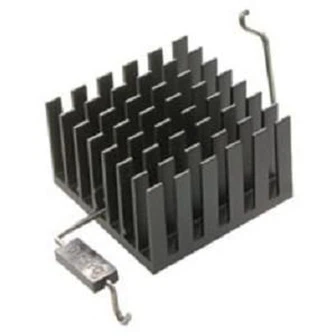
Therefore, the heat dissipation of LED lamps actually includes two parts: heat conduction and heat dissipation. However, the heat dissipation of the LED lamp housing will have different options depending on the power size and the place of use. There are mainly the following heat dissipation methods: Aluminum fins: This is the most common way to dissipate heat. Aluminum fins are used as part of the housing to increase the heat dissipation area. Thermally conductive plastic shell: Fill the plastic shell with thermally conductive material during injection molding to increase the thermal conductivity and heat dissipation capacity of the plastic shell. Air fluid mechanics heat dissipation: Aero fluid mechanics uses the shape of the lamp housing to create convective air, which is the lowest cost way to enhance heat dissipation. The inside of the fan lamp housing uses a long-life and high-efficiency fan to enhance heat dissipation: low cost and good effect. However, it is more troublesome to change the fan, and it is not suitable for outdoor use. This kind of design is relatively rare. Heat pipe heat dissipation technology: The heat pipe uses heat pipe technology to conduct heat from the LED chip to the heat dissipation fins of the shell. This is a common design in large lamps, such as street lamps. Surface radiation heat treatment The surface of the lamp housing is treated with radiation heat: simply apply radiation heat dissipation paint, which can take the heat away from the surface of the lamp housing by radiation.