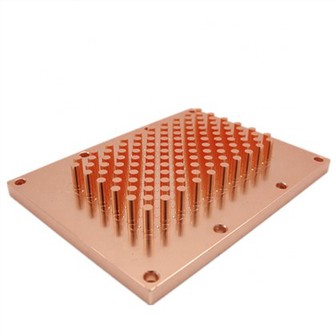
Leading the Way in Server Cooling Technologies and Solutions
As the use of technology continues to advance, the need for efficient and effective server cooling technologies and solutions becomes increasingly essential. With the growth in data storage, high-speed processing, and power play, data centers are under immense pressure to reduce their energy consumption and avoid potentially costly downtime. However, cooling servers in a data center is not only about reducing the risk of breakdowns but also about reducing the carbon footprint of the industry. In this blog, we will highlight some of the trending server cooling technologies and solutions that are leading the way towards a more sustainable future.
Liquid Cooling
Liquid cooling is an old technology that has found renewed relevance in data centers today. As the demand for more computing power heats up data centers, many businesses are turning to liquid-cooled servers to keep them from overheating. With the liquid, heat is efficiently transferred away from the server's components to a dedicated heat exchanger, which then expels the heat out of the data center.
Liquid cooling is preferred by businesses that operate high-performance computing equipment, as these installations require a lot of energy, and air-cooled equipment may not be enough for their demands. Advancements in liquid cooling systems have made it possible to reduce energy usage, providing a more efficient and sustainable alternative to air cooling.

Hot-Aisle/Cold-Aisle Cooling
The hot-aisle/cold-aisle cooling method is a classic method used in data centers to lower the temperature. This is accomplished by arranging servers in alternating aisles, with the front sides of server racks facing each other (cold aisle) and the backs facing each other (hot aisle). This allows cool air to be directed into the front of the server racks and hot air to be expelled out the back, which reduces energy consumption and provides better cooling by directing airflows more effectively.
Because it is a simple and efficient method that requires minimal infrastructure changes and can use existing cold and warm air systems, hot-aisle/cold-aisle cooling is a popular choice for data centers that need to upgrade their cooling systems.
Airflow Management
Airflow management is an essential aspect of server cooling. A well-optimized airflow can help reduce energy consumption by ensuring that cool air is directed only where it is necessary for internal heat reduction. For example, quality server racks help to isolate cold and warm air from each other, leaving the cool air to circulate inside the racks where it is needed.
Additionally, the design of the server room in airflow management is critical. The location and capacity of the air conditioning system should be optimized for maximum efficiency, and the server racks should be arranged in a way that maximizes airflow. With proper airflow management, businesses can achieve increased energy efficiency, saving costs and reducing their carbon footprint.

Conclusion
Server cooling technologies and solutions continue to evolve to meet the needs of high-performance computing, which means businesses can choose from a wide range of solutions that are more efficient and sustainable than ever before. Liquid cooling, hot-aisle/cold-aisle cooling, and airflow management are just a few of the many methods that businesses can use to improve their data center cooling and minimize their carbon footprint.
At the forefront of these innovations, businesses stand to benefit from a range of advantages, including lower costs, reduced downtime, and improved data security. Proper server cooling can help your business operate more efficiently and contribute to the larger efforts of businesses worldwide aiming to reduce their energy consumption and effect on the environment. By implementing the latest cooling technologies and solutions, businesses can take the lead in ensuring a more sustainable future.