Thermal management in High Power Server Environments
Modern high-performance server environments, particularly those in data centers, are increasingly being built to meet the demands of business-critical workloads. With the growth of cloud computing and the proliferation of mobile devices, the traffic on the internet is growing at an exponential rate. This translates into high power consumption and heat generation, which can be challenging to manage in these environments.
Heat is the primary enemy of server performance, and any temperature fluctuations can significantly impact server performance, stability, and reliability. Overheating can lead to system crashes, shortening the lifespan of hardware components and result in expensive repairs. It can also increase power consumption, making it harder for data centers to remain energy-efficient.
This blog post is intended to explore some of the essential strategies data center managers can use to manage thermal challenges in high power server environments.
1. Optimizing the Airflow
Airflow optimization is one of the fundamental methods of managing thermal challenges in high power server environments. The proper airflow in a data center can help to keep temperature levels in check and prevent overheating. Airflow optimization techniques include the proper placement of servers within the data center and ensuring that cold and hot air paths do not cross. Using hot and cold aisle containment systems, data center managers can control airflow by directing cold air to server cold aisles and hot air away from the warmer aisles.

2. Heat Dissipation
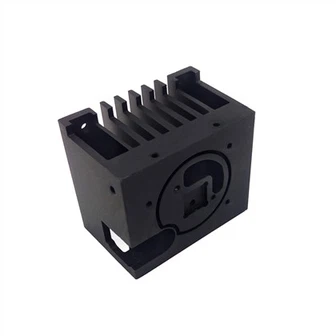
Heat dissipation is another technique used to combat high temperatures in data centers. Some data centers install liquid cooling systems to transfer heat out of server systems. A water-cooled system can be more efficient in heat dissipation, although it can come at a higher cost. Another option is to use more efficient fans, which can be controlled by adjustable speed systems that can provide more cooling when needed. Additionally, heatsinks are also an effective and low-cost method of dissipating heat as they come in different sizes and shapes that can be customized to meet specific server design requirements.

3. Thermal Monitoring and Management Software
Thermal monitoring and management software tools can help data center managers to monitor temperature levels in real-time, spot trends in heat and adjust cooling accordingly. They can provide customized notifications when temperature levels rise beyond set thresholds or detect any abnormal heat generation patterns. Such systems can automate cooling responses in case of power outages when cooling systems are offline. These systems can detect any malfunctioning equipment and alert the IT team to take corrective measures.
4. Reducing Power Consumption
Reducing power consumption is an efficient way for data centers to manage high power server environments. Virtualizing servers can reduce the number of physical servers in the data center, which in turn reduces heat generated by the machines. This technology helps to balance server utilization across multiple physical devices, boosting energy efficiency, and lowering power consumption levels.
5. Regular Maintenance
Regular hardware maintenance can help to keep the server environment running efficiently and increase its longevity. Proper server maintenance involves cleaning dust and debris that can clog up airflow and impede the heat dissipation process. Regular inspections can also help to identify any problematic equipment early on and prevent accidents.
Conclusion
High power server environments are significant investments, and proper management is essential to ensure optimal performance, longevity and reduce downtime. Managing thermal challenges is an integral part of such environments. With the right strategies, data center managers can ensure that their servers are optimized for performance, energy efficiency, and durability. Optimized airflow, effective heat dissipation, thermal monitoring software, reduced power consumption and regular hardware maintenance are methods that can help control, and even prevent, thermal issues in high power server environments.