Liquid Cooling: A Superior Thermal Solution for Overheating Challenges
As technology advances exponentially, there is a constant need for faster processing speeds, which has resulted in more compact and powerful devices. However, this progress has come at a price: overheating, a major challenge for both personal computing systems and industrial applications. Luckily, liquid cooling has emerged as an excellent thermal solution to overheating challenges. In this blog, we'll discuss the basics of liquid cooling systems and how they work, along with their Benefits and drawbacks.

What is liquid cooling?
Liquid cooling is a thermal management technology that uses a coolant to absorb heat and move it away from heat-generating components. Unlike air cooling, which uses a fan to blow air over hot components to cool them, liquid cooling uses a liquid, usually water, to perform the cooling function. This fluid circulates through piping that is in direct contact with hot components such as the CPU, GPU, or power supply. As the liquid flows through the pipes, it absorbs heat from the components and transfers the heat to the heat sink, where it dissipates the heat.
How does liquid cooling work?
Liquid cooling systems typically consist of several key components, including:
1. Water block or cold plate: This is the interface between the hot component and the liquid. It's usually made of copper or aluminum and has channels or fins to allow liquid to flow through and absorb heat.
2. Pump: Responsible for circulating the coolant in the system. The pump can be integrated into the water block or placed separately.
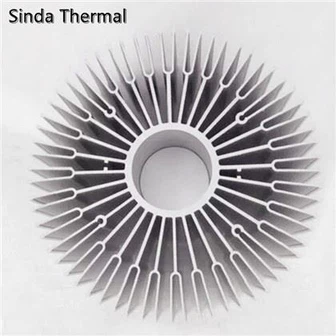
3. Radiator: This is where the heat is dissipated. Heat sinks are usually made of aluminum and have a series of fins to increase the surface area for better heat dissipation. Heatsinks can be air-cooled or liquid-cooled, depending on the application.
4. Coolant: Coolant is usually water mixed with anticorrosion or antifreeze additives to remove heat from hot parts.
5. Piping: Connects the various components of the liquid cooling system and allows the coolant to flow through the system.
Advantages of Liquid Cooling
1. Improved performance: Liquid cooling cools hot components better, allowing them to run at higher speeds without overheating. This can significantly improve the performance of games or other graphics-intensive applications.
2. Lower noise levels: Compared to air cooling, liquid cooling systems are much quieter because they don't require noisy fans.
3. Better aesthetics: A liquid cooling system can add a lot of aesthetic value to a computer or other system. The coolant can be dyed different colors and the pipes can be arranged in a variety of configurations to create unique and eye-catching designs.
4. Higher heat dissipation efficiency: liquid cooling is more efficient than air cooling, because water has a larger heat capacity than air. This means that the water can absorb more heat before it reaches its boiling point, thus dissipating it better.
Disadvantages of Liquid Cooling
1. Cost: Liquid cooling systems are usually more expensive than air cooling systems because they require more components such as water blocks, radiators, and water pumps.
2. Complexity: Liquid cooling systems are more complex to install and maintain than air cooling systems. This is because they require more components and are more prone to leaks.
3. Maintenance: Liquid cooling systems require regular maintenance, such as changing the coolant and checking for leaks, which adds to overall cost and complexity.
In conclusion
In conclusion, liquid cooling is an excellent thermal solution for overheating challenges in personal computing systems and industrial applications. While it can be more expensive and complex than air cooling, liquid cooling offers better performance, lower noise levels and more efficient heat dissipation. With proper installation and maintenance, liquid cooling systems can help ensure the longevity and optimum performance of hot components.