Top Techniques for Successful Liquid Cooling Thermal Solutions
In today's world, electronic devices continue to shrink in size while their performance continues to increase. As a result, thermal management has become an essential factor in electronic design. Failure to manage heat can severely limit the performance, reliability, and lifespan of electronic devices. Liquid cooling, also known as water cooling, is one of the most effective thermal management techniques available. However, successful implementation of liquid cooling thermal solutions requires careful consideration and proper design. In this blog, we will go over some of the top techniques for successful liquid cooling thermal solutions.
1. Proper Liquid Cooling System Design
Designing a successful liquid cooling system requires careful consideration of the following factors.
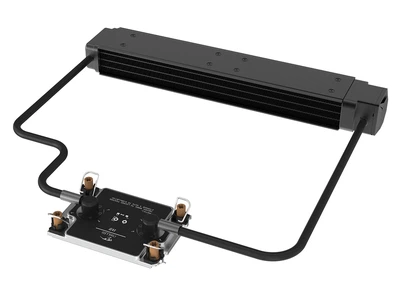
Coolant Selection: The best coolant for your application depends on your specific needs. Factors such as thermal conductivity, viscosity, and electrical conductivity, among others, will influence your choice of coolant.
Pump Selection: A suitable pump is essential to ensure efficient circulation of the coolant through the cooling loop. When selecting a pump, factors such as flow rate, head pressure, and noise levels should be considered.
Radiator Selection: Radiator size and flow rate must be sized appropriately for the heat load being dissipated.
Tubing and Fittings Selection: Tubing size and materials, as well as fittings and clamps, must be chosen with careful consideration of your specific thermal solution requirements.
2. Proper System Installation
Proper installation of a liquid cooling system is critical to ensure its success. Here are some installation tips to consider.
Orientation: The coolant must be able to flow easily through the system. Therefore, it is essential to position the radiator and pump in a manner that allows for easy flow.
Leak Testing: Before powering up your system, it is crucial to perform a leak test on all tubing and fittings. This will guarantee that your system is free of leaks that could cause serious damage.
Bleeding: Proper bleeding (removing air from the system) is necessary to ensure optimal cooling performance.
3. Optimal Heat Transfer
One of the most critical factors in any liquid cooling system is heat transfer efficiency.
Block Design: When designing a liquid cooling block, consider factors such as thermal conductivity, coolant flow rate, and heat flux transfer rate.
Thermal Interface Material: The choice of thermal interface material has a significant impact on the heat transfer performance of the block. Factors such as thermal conductivity, ease of application, and curing time are considered when selecting the best TIM.
4. Monitoring and Maintenance
Proper monitoring and maintenance of your liquid cooling system are critical to ensure longevity and reliability.
Coolant Chemistry: Over time, the coolant chemistry can degrade, leading to reduced cooling performance. Monitoring the coolant's pH level, conductivity, and inhibitor levels will allow you to take remedial actions before the system's performance is affected.
Block Cleaning: Mineral deposits, algae, and other contaminants can accumulate inside the block, leading to reduced heat transfer performance. Periodic block cleaning with specialized cleaning solutions can help maintain optimal heat transfer efficiency.
Conclusion
Liquid cooling is a highly effective technique for managing heat in electronic devices. However, proper system design, installation, and maintenance are essential to ensure optimal performance and reliability. By considering the factors outlined in this article, you can design and implement a successful liquid cooling thermal solution for your next electronic device design.