Liquid cooling VS Air cooling
Due to the development of electronics, managing heat is a constant challenge. As electronic components become more powerful, the need for effective thermal management solutions has given rise to debates between liquid cooling and air cooling enthusiasts. This article aims to unravel the complexities of liquid cooling and air cooling, providing insights into their respective strengths, weaknesses, and applications.
Liquid Cooling: Harnessing the Power of Fluids
Design and Functionality:
Liquid cooling, often referred to as water cooling, employs the exceptional thermal conductivity of water or other coolants to dissipate heat from electronic components. The system typically consists of a water block or cold plate in direct contact with the hot components, a pump to circulate the coolant, and a radiator to release the absorbed heat into the surrounding environment.
Advantages of Liquid Cooling:
Efficiency: Liquid cooling is renowned for its superior heat dissipation capabilities, making it ideal for high-performance systems that generate significant heat.
Quiet Operation: With fewer moving parts and the ability to disperse heat over a larger surface area, liquid cooling systems are often quieter than their air-cooled counterparts.
Temperature Control: Liquid cooling systems provide precise temperature control, preventing sudden temperature spikes and ensuring stable performance.
Applications:
Gaming PCs: Enthusiasts and gamers often opt for liquid cooling to maintain optimal temperatures during resource-intensive tasks.
Overclocked Systems: Liquid cooling is popular among overclocking enthusiasts seeking efficient thermal management for pushing hardware limits.
Data Centers: In large-scale computing environments, liquid cooling can offer energy efficiency and temperature control benefits.
Air Cooling: Traditional Yet Trusty
Design and Functionality:
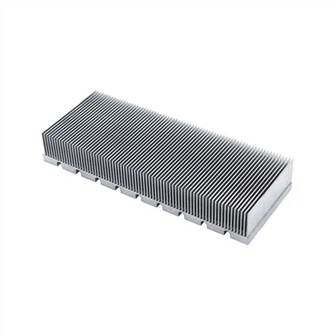
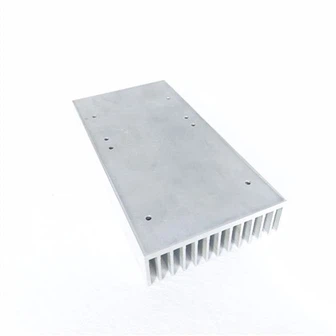
Air cooling, the traditional method of thermal management, relies on the circulation of air through heatsinks to dissipate heat from electronic components. Heat sinks, often made of aluminum or copper, are equipped with fins that increase the surface area for better heat dissipation. Fans are then used to move air through the heatsinks, carrying away the heat.
Advantages of Air Cooling:
Simplicity: Air cooling systems are simpler in design, with fewer components, making them easy to install and maintain.
Cost-Effective: Air cooling solutions are generally more budget-friendly compared to liquid cooling, making them accessible to a wider range of users.
Reliability: With fewer components prone to failure, air cooling systems are often perceived as more reliable over the long term.
Applications:
Mainstream PCs: Standard desktop computers and entry-level gaming systems often rely on air cooling due to its simplicity and cost-effectiveness.
Office Environments: Air cooling is suitable for environments where noise is not a critical concern, such as office settings.
Entry-Level Servers: For servers with moderate thermal requirements, air cooling provides a reliable and cost-effective solution.
Making the Right Choice: Factors to Consider
Choosing between liquid cooling and air cooling depends on various factors, including the intended use, budget, and personal preferences. Here are some considerations:
Performance Requirements: High-performance systems with demanding applications may benefit from the superior cooling capabilities of liquid cooling.
Budget Constraints: Air cooling is generally more cost-effective, making it a practical choice for those on a budget.
Maintenance Preferences: Liquid cooling systems require more meticulous maintenance, while air cooling systems are often simpler to manage.
Noise Tolerance: If noise is a critical factor, liquid cooling systems, known for their quiet operation, may be preferable.
In the ongoing debate between liquid cooling and air cooling, there is no one-size-fits-all solution. Both methods have their merits and are suitable for different scenarios. The key is to assess the specific needs of your system, considering factors such as performance requirements, budget constraints, and maintenance preferences. Whether you choose the efficiency of liquid cooling or the simplicity of air cooling, the ultimate goal remains the same: to keep your electronic components cool, ensuring optimal performance and longevity.
As a leading radiator manufacturer, Sinda Thermal can offer wide range of heat sink types, such as aluminum extruded heat sink, skived fin heat sink, pin fin heat sink, zipper fin heatsink, liquid cooling cold plate, etc. Aslo we can provide great quality and outstanding customer service. Sinda Thermal consistently delivers custom heatsinks to meet the unique requirements of various industries.
Sinda Thermal was established in 2014 and has grown rapidly due to its commitment to excellence and innovation in the field of thermal management. The company has a great manufacturing facility equipped with advanced technology and machinery, this ensures that Sinda Thermal is able to produce various types of radiators and customize them to meet the different needs of customers.

FAQ
1. Q: Are you a trading company or manufacturer?
A: We are a leading heat sink manufacturer, our factory has been founded over 8 years, we are professional and experienced.
2. Q: Can you provide OEM/ODM service?
A: Yes, OEM/ODM are available.
3. Q: Do you have MOQ limit?
A: No, we don't set up MOQ, prototype samples are available.
4. Q: What's the lead time of the production?
A: For prototype samples, the lead time is 1-2 weeks, for mass production, the lead time is 4-6 weeks.
5. Q: Can I visit your factory?
A: Yes, Welcome to Sinda Thermal.