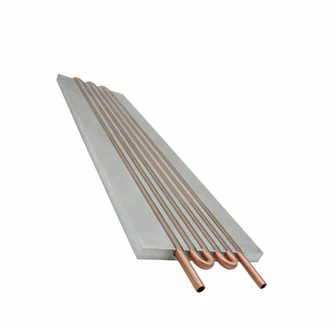
What is the advantage of the liquid cooling system?
As technology continues to push the boundaries of performance, the demand for effective thermal management solutions has become increasingly paramount. In this pursuit, liquid cooling systems have emerged as a revolutionary method for dissipating heat from high-performance electronic components. This article explores the advantages of liquid cooling systems, shedding light on the reasons why these systems are gaining popularity across various industries.
The Pinnacle of Thermal Management: Liquid Cooling
1. Exceptional Heat Dissipation:
One of the primary advantages of liquid cooling systems lies in their exceptional heat dissipation capabilities. Liquid, typically water or a specialized coolant, has a significantly higher thermal conductivity compared to air. This enables the efficient absorption of heat from electronic components, ensuring that critical hardware operates within optimal temperature ranges. As a result, liquid cooling is the go-to choice for enthusiasts, gamers, and professionals seeking to extract maximum performance from their systems.
2. Precision Temperature Control:
Liquid cooling systems offer precise temperature control, a critical factor in maintaining the longevity and reliability of electronic components. Unlike traditional air cooling, which may struggle to manage rapid temperature fluctuations, liquid cooling provides a stable and controlled environment. This is particularly advantageous for overclocking scenarios, where precise temperature regulation is essential to prevent hardware damage and ensure consistent performance.
3. Reduced Noise Levels:
Liquid cooling systems are often praised for their quiet operation. Traditional air cooling setups with high-speed fans can generate substantial noise, creating a distraction in both professional and gaming environments. Liquid cooling, with fewer moving parts and the ability to disperse heat over a larger surface area, minimizes the need for loud fans. This results in a quieter overall system, providing a more immersive and comfortable user experience.
4. Compact Design and Aesthetic Appeal:
Liquid cooling systems are inherently more compact than their air-cooled counterparts. This space-saving design is particularly advantageous in scenarios where real estate within the system is limited. Additionally, liquid cooling setups contribute to a cleaner and more aesthetically pleasing internal system appearance. With sleek tubing and customizable RGB lighting options, liquid cooling has become a popular choice among users who prioritize both performance and aesthetics.
5. Efficient Cooling for High-Performance Applications:
High-performance computing environments, such as gaming PCs, video editing workstations, and data centers, benefit significantly from liquid cooling. These systems generate substantial heat during intensive tasks, and liquid cooling provides an efficient and reliable solution to manage this thermal load. As technology continues to advance, liquid cooling is becoming increasingly essential for unlocking the full potential of cutting-edge hardware.
6. Extended Hardware Lifespan:
By maintaining lower operating temperatures, liquid cooling contributes to the prolonged lifespan of electronic components. Heat is a primary factor contributing to the degradation of hardware over time. Liquid cooling mitigates this by efficiently dissipating heat, reducing thermal stress on sensitive components. This results in a more reliable and durable system, with electronic components experiencing less wear and tear.
In the relentless pursuit of performance and efficiency, liquid cooling systems have proven themselves as a game-changing technology in the realm of thermal management. From their exceptional heat dissipation capabilities to precise temperature control and reduced noise levels, liquid cooling offers a myriad of advantages that cater to the needs of enthusiasts, professionals, and high-performance computing environments. As the demand for powerful and efficient systems continues to rise, liquid cooling stands at the forefront, providing a reliable solution to keep electronic components cool and running at their peak.
As a leading radiator manufacturer, Sinda Thermal can offer wide range of heat sink types, such as aluminum extruded heat sink, skived fin heat sink, pin fin heat sink, zipper fin heatsink, liquid cooling cold plate, etc. Aslo we can provide great quality and outstanding customer service. Sinda Thermal consistently delivers custom heatsinks to meet the unique requirements of various industries.
Sinda Thermal was established in 2014 and has grown rapidly due to its commitment to excellence and innovation in the field of thermal management. The company has a great manufacturing facility equipped with advanced technology and machinery, this ensures that Sinda Thermal is able to produce various types of radiators and customize them to meet the different needs of customers.

FAQ
1. Q: Are you a trading company or manufacturer?
A: We are a leading heat sink manufacturer, our factory has been founded over 8 years, we are professional and experienced.
2. Q: Can you provide OEM/ODM service?
A: Yes, OEM/ODM are available.
3. Q: Do you have MOQ limit?
A: No, we don't set up MOQ, prototype samples are available.
4. Q: What's the lead time of the production?
A: For prototype samples, the lead time is 1-2 weeks, for mass production, the lead time is 4-6 weeks.
5. Q: Can I visit your factory?
A: Yes, Welcome to Sinda Thermal.