Maximize Your Inverter Efficiency with Innovative Cooling Solutions
Today, inverter technology is in high demand. Inverters are important components that help regulate power to different devices. This makes it possible to power everything from electric motors to refrigeration units.
The efficiency of an inverter plays a vital role in its performance. It can help reduce energy consumption and provide optimal operating conditions for the equipment it serves. Therefore, innovative cooling solutions that maximize inverter efficiency must be used.
In this article, we'll discuss some of the best innovative cooling solutions that can help you maximize inverter efficiency. These solutions are designed to improve inverter performance, reduce energy consumption and lower overall operating costs, giving you a competitive edge in the market.
1. Liquid cooling solution
One of the most innovative cooling solutions for inverters is liquid cooling. This involves using liquid coolant to remove heat from the inverter. Liquid cooling can maximize the efficiency of the inverter, reduce the operating temperature of the inverter and improve its reliability.
Liquid cooling is often used in applications where power density is critical, as traditional air cooling solutions may not be as effective. Liquid cooling involves the use of cooling plates attached to the inverter baseplate, which are then cooled using circulating liquid coolant.

2. Direct air cooling solution
Another innovative cooling solution is direct air cooling. This involves using the air conditioning system to direct cooling air to the inverter. This is a cost-effective solution that requires minimal maintenance and increases inverter efficiency.
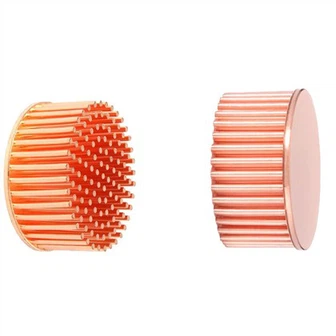
Direct air cooling is suitable for applications with low to medium power density requirements. The solution involves using a heat sink attached to the inverter base plate. The heat sink absorbs heat from the inverter and directs it to the air conditioning system.
3. Heat pipe cooling solution
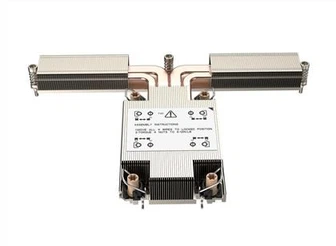
Heat pipe cooling is a very effective solution that can help maximize inverter efficiency. This involves using heat pipes to cool the inverter. A heat pipe is a heat transfer device that uses a working fluid to transfer heat from one location to another.
Heat pipe cooling is used in applications requiring high power density. Heat pipes are used to transfer heat from the inverter to the heat sink. This solution provides an efficient way to remove heat from the inverter, thereby improving its operating conditions.
4. Immersion cooling scheme
Immersion cooling is a recently developed cooling solution to maximize inverter efficiency. This involves immersing the inverter in liquid coolant, which draws heat away from the inverter. Immersion cooling solutions are an effective method of removing heat from inverters, providing optimal operating conditions.
Immersion cooling is often used in applications requiring high power density, such as data centers. Cooling solutions include immersing the inverter in a non-conductive liquid that absorbs heat and then removing it from the inverter.
In summary, inverter efficiency is critical to equipment performance, energy consumption, and operating costs. Innovative cooling solutions provide an effective way to maximize the inverter's efficiency and provide optimal operating conditions for the equipment it serves.
Liquid cooling, direct air cooling, heat pipe cooling and immersion cooling are some innovative cooling solutions that can help you maximize inverter efficiency. Using these solutions can improve the overall performance of your equipment, reduce energy consumption and give you a competitive advantage.