

NVIDIA Liquid Cooling Technology Reveals Secrets
With the continuous growth of high-performance computing power, air-cooled cooling systems have become increasingly difficult to meet the cooling needs of data centers and GPU products. As a leader in the modern GPU field, NVIDIA has not only continuously innovated in GPU performance, but also made significant breakthroughs in cooling technology.

With the rapid increase in AI computing power and power consumption, traditional air-cooled cooling technology can no longer meet the needs of high-performance computing. Liquid cooling technology has become an efficient and cost-effective temperature control method due to its advantages of low energy consumption, high heat dissipation, and low noise. Nvidia's B100 series products have undergone a significant upgrade in cooling technology, transitioning from air cooling to liquid cooling, indicating that all Nvidia products will adopt liquid cooling solutions in their cooling technology in the future.

Nvidia has adopted liquid cooling technology in its GPU products, especially its A100 PCIe GPU, which is the first time liquid cooling technology has been adopted in mainstream server GPUs. This liquid cooled GPU can meet the needs of customers for high-performance green data centers. Nvidia not only improves energy efficiency through this technology, but also helps reduce energy consumption and carbon emissions in data centers. For example, compared to air-cooled facilities, data centers using liquid cooling technology can maintain a stable workload while reducing energy consumption by about 30%. The space utilization efficiency of liquid cooled data centers is also higher, and double the computational load can be achieved in the same space.
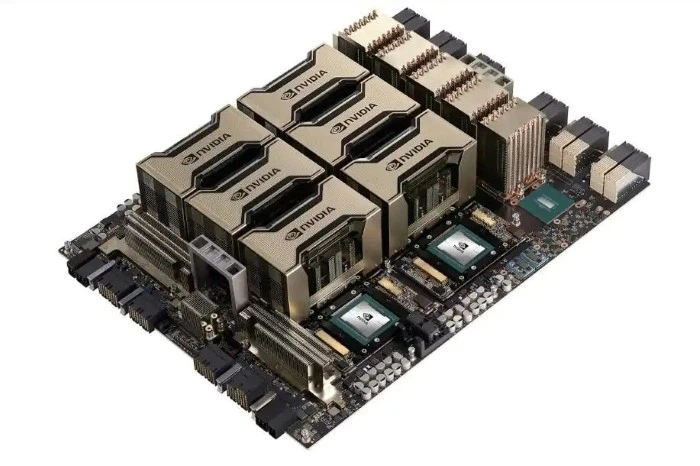
NVIDIA's liquid cooling technology and its collaboration with Jingyan Technology and Viti Vertiv not only improve product performance and efficiency, but also contribute to environmental protection and sustainable development. With the continuous development of liquid cooling technology, we can expect future computing to be more efficient and sustainable. Nvidia's leadership position in this field will continue to drive technological progress and innovation throughout the industry.


