out door LED lumps design points
Due to the complex working environment of LED outdoor lighting lamps, affected by natural conditions such as temperature, ultraviolet, humidity, rain on rainy days, sand and dust, chemical gas and so on, over time, it will cause serious LED light failure. Therefore, in the end, outdoor lighting designers should consider the impact of these external environmental factors on LED outdoor lighting lamps.

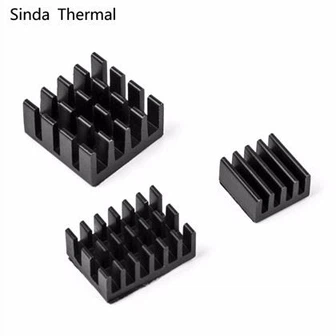
1. The shell and heatsink are designed as a whole to solve the heating problem of LED. This method is better. Generally, aluminum or aluminum alloy, copper or copper alloy and other alloys with good heat conduction are selected. Heat dissipation includes air convection heat dissipation, strong wind cooling heat dissipation and heat pipe heat dissipation. The choice of heat dissipation method has a direct impact on the cost of lamps. It should be comprehensively considered and the best scheme should be selected together with the designed products.

2. At present, most of the LED lamps (mainly street lamps) produced are assembled with 1W led in series and parallel. This method has higher thermal resistance than products with advanced packaging technology, and it is not easy to produce high-quality lamps. Or 30W, 50W or even larger modules are used for assembly to achieve the required power. The packaging materials of these LEDs are encapsulated with epoxy resin and silica gel. The difference between the two is that epoxy resin packaging has poor temperature resistance and is easy to aging over a long time. Silica gel packaging has good temperature resistance, so attention should be paid to selection when using.
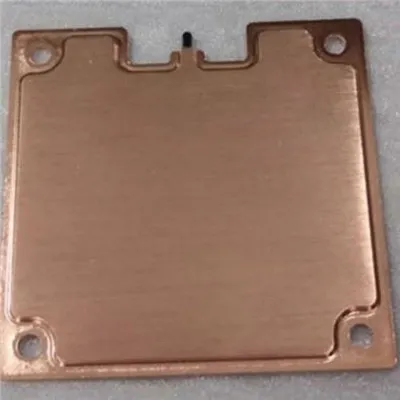
It is better to use multi chip and heatsink as a whole, or use aluminum substrate multi chip packaging, and then connect it with the heatsink through phase change material or heat dissipation silicone grease. The thermal resistance of the product is one to two less than that of the product assembled with LED devices, which is more conducive to heat dissipation. For lamps using LED module, the module substrate is generally copper substrate. Good phase change material or good thermal grease shall be used for its connection with the external heatsink to ensure that the heat on the copper substrate can be transmitted to the external radiator in time. If it is not handled well, it is easy to accumulate heat, resulting in too high temperature rise of module core and affecting the normal operation of LED chip.

3. Radiator is a key component of LED lamps. Its shape, volume and heat dissipation surface area should be designed to achieve benefits. If the heatsink is too small, the working temperature of LED lamps is too high, which will affect the luminous efficiency and service life. If the heatsink is too large, it will consume more materials, increase the product cost and weight, and reduce the competitiveness of products.