Protecting your inverter with an effective thermal solution
Are you concerned about the safety of your inverter? Do you want to make sure it runs smoothly and efficiently in all weather conditions? If so, protecting your inverter with an effective thermal solution is the way to go. In this blog post, we discuss everything you need to know about protecting your inverter with thermal solutions.
What is an inverter?
First, let's go over some basics. An inverter is an electronic device that converts a battery's direct current (DC) into alternating current (AC), which can be used to power appliances and devices in your home or office. Inverters are essential to any solar photovoltaic system or wind turbine where direct current is converted to alternating current for lighting, cooling, entertainment and other domestic or industrial applications.
What is thermal management?
Thermal management is the process of controlling the temperature of a device or system to keep it operating within safe and efficient ranges. The components of any electronic device generate heat during operation, and if the heat is not dissipated effectively, it can cause the device to malfunction, overheat or even fail. Therefore, managing the heat generated in a device is a fundamental task that requires the use of effective thermal solutions.
Why is thermal management important for inverters?
Like any other electronic device, an inverter generates heat when it is in use. Therefore, thermal management is critical to ensure that they operate efficiently and safely. Poor thermal management can lead to reduced inverter efficiency, reduced equipment life, and even a fire risk. Investing in an effective thermal management solution for your inverter will help alleviate these issues and ensure you get the best performance from your investment.
How to protect your inverter with an effective thermal solution?
There are various ways to protect your inverter with effective thermal solutions. Some of the most common methods include:
1. Use thermal paste: Thermal paste is a compound used to fill the gap between the inverter and the heat sink used to cool the system. It is formulated to conduct heat away from components and transfer it to the heat sink. This ensures that the heat generated by the inverter is efficiently dissipated and keeps the components cool.
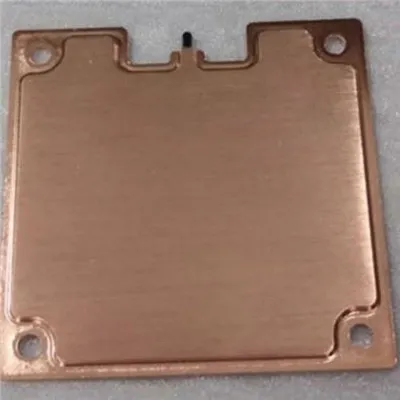
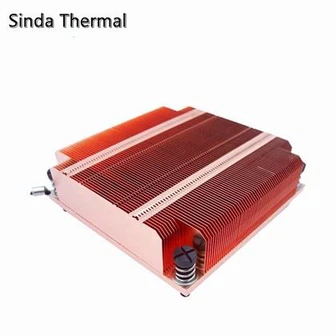
2. Use a heat sink: A heat sink is an essential part of any thermal management solution. They are used to dissipate the heat generated by the inverter components. Heat is transferred from the components to the heat sink, which then dissipates the heat into the surrounding environment. Heat sinks come in various shapes and sizes and can be selected according to the specific requirements of the inverter.
3. Use thermal pads: Thermal pads are another method used to transfer the heat generated by the inverter components to the heat sink. They are made of thermally conductive material that allows heat to pass through. They bridge the gap between the inverter and the heat sink, ensuring effective heat dissipation.

Sinda Thermal is a leading thermal manufacturer in China, our factory was founded in 2014, and located in Dongguan city, China, we are offering varieties of heatsinks and other precious metal parts. Our plant possesses 30 sets advanced and high precious CNC machines and stamping machines, also we have many testing and experiment instruments and professional engineering team, so our company can manufacture and provide high quality products with high precision and excellent thermal performance. Sinda Thermal is commited to a range of heat sinks which are widely used in new power supply, New energy vehicles, Telecommunications, Servers, IGBT, and Madical. All the products accord with Rohs/Reach standard, and the factory is qualified by ISO9001 and ISO14001. Our company has been a partner with many customers for good quality, excellent service and competitive price. Sinda Thermal is a great heat sink manufacturer for the global customers .