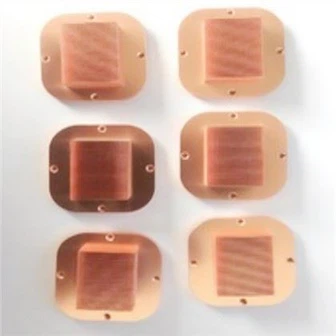
Security monitoring and smart phone cooling solution
1. Intelligent security monitoring
The security system belongs to the category of the electronics industry and is a comprehensive utilization of modern computer technology, integrated circuit application technology, network control and transmission technology, and software technology. Security products can be roughly divided into three categories: video surveillance, access control and anti-theft alarm. From the “visible” to “clear” transformation, and then to today’s intelligence, the security industry’s initiative has been continuously enhanced, and edge perception + intelligence has gradually become the new goal of the smart security industry, which is highly intelligent The era of comprehensive security has come.
Intelligent security puts forward higher requirements for image transmission speed, definition, video storage time and data analysis. While this combination increases the cost of the video surveillance storage solution, the heat flow density and heat generation of its circuit system are also increasing, which puts tremendous pressure on the manageability of the overall smart security solution. As we all know, the operating temperature of electronic devices directly determines their service life and stability, and heat dissipation has become an important indicator of product performance in the electronics industry, especially the heat dissipation of surveillance cameras. In practical applications, if the core chip temperature is too high due to poor heat dissipation, it is easy to cause a series of thermal faults such as blurred monitoring images, packet loss, bit errors, and restarting.
Cameras are gradually moving towards high-end images such as 1080P, 4K, and 8K. High-definition pixels are moving closer. Advanced technologies such as high-definition image processing and big data operations have made thermal management and EMI shielding issues increasingly prominent. High power consumption and heat generation and a closed environment puts forward higher requirements on the overall heat dissipation plan. The volatilization of thermal material molecules, the precipitation of silicone oil, and the phenomenon of silicon migration are important to the optical lens; the low temperature resistance of the chip becomes the heat dissipation bottleneck, how to reduce the interface Thermal resistance is an important factor to consider in thermal design.
In order to ensure the stable and reliable operation of the camera, it is urgent to reduce the working thermal load of the core components and alleviate the thermal stress concentration of the circuit board. Nuofeng Electronics' low-volatility, high thermal conductivity, low oil permeability, super soft and other high-performance interface materials (thermal conductive grease, thermal conductive silicone sheet, thermal conductive tape, etc.) have undergone high temperature aging tests to provide professional thermal management solutions for the security industry , To ensure the safety of the normal operation of security products and the reliability of long-term operation.

2.smart phone
The clock speed of smart phone chips is getting higher and higher, which will generate a lot of heat. Excessive heat will affect the user's comfort and may also burn out the hardware. Therefore, major manufacturers will consider how smart phones dissipate heat.
After entering 2019, mobile phone heat dissipation has once again become a new hot spot in the market, driven by the rigid demand of mobile phones in the future. For example, Xiaomi’s flagship gaming phone, the Black Shark, is equipped with a multi-level direct-touch integrated heat and cold heat dissipation system. Its main heat dissipation part is copper, and only the middle slender part has a very small amount of built-in liquid; there is also Honor Note10, which uses The Nine heat and cold heat dissipation technology is added to the original eight-layer heat dissipation layer, and a liquid-cooled heat dissipation layer is added, and graphite paste heat conduction and heat pipes are used; in addition, Meizu 16 also uses water cooling heat dissipation, and heat conduction is applied to the surface of the processor. Silicone grease, further enhance the thermal conductivity function!
With the advent of the 5G era, mobile phone heat dissipation has become a hot spot in the industry. In the case where the battery capacity of smartphones cannot be greatly increased, in addition to developing solutions to reduce energy consumption, the importance of heat dissipation for smartphones has become more prominent. , The current glass back cover will become the mainstream of the market, and its heat dissipation performance is worse than that of the metal back cover. This is also an important reason why many current glass back cover mobile phones use graphite sheets on the glass back cover! According to market news, Huawei's 5G mobile phone is expected to use 0.4mm copper sheet and apply thermal grease to fill the gap as the core heat dissipation component of the mobile phone!