Why does the chips can not be too big
With the development of technology, energy efficiency has become an important indicator for measuring chip performance. Small chips consume less energy overall due to their lower energy requirements and higher processing efficiency. This is particularly important for mobile devices as they need to provide sufficient running time with limited battery capacity. Miniaturization not only improves the energy efficiency of chips, but also is environmentally friendly, in line with the current pursuit of sustainable development and green technology.

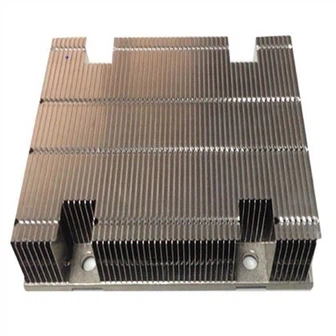
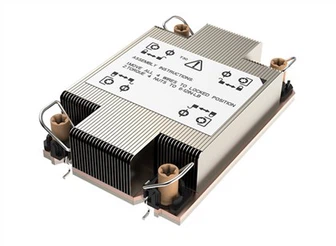
The physical size of a chip is closely related to its performance and efficiency. As the volume increases, the distance between electronic components on the chip also increases. This not only leads to an extension of signal transmission time, but may also increase energy consumption and reduce overall performance. In addition, a larger chip area means that more heat is generated on its surface area, making heat dissipation a major challenge. Effective heat dissipation is crucial to ensuring stable operation and long lifespan of chips, while the scattering behavior of large-sized chips requires more complex cooling systems, which increases costs and may limit performance.

From an economic perspective, the cost-effectiveness of small-sized chips is clearly higher. Producing small-sized chips on silicon wafers of the same area can result in a higher quantity of products. This not only means lower production costs for individual chips, but also improves production flexibility and market responsiveness. With the advancement of manufacturing technology, small chips are constantly improving in performance, making it possible to reduce physical dimensions without sacrificing performance. Therefore, from both a cost and performance perspective, small chips have significant advantages.

In electronic devices, processing speed is a key performance indicator. The reduction of chip volume can shorten the transmission distance of signals within the chip, thereby reducing latency and improving processing speed. This is particularly important in the fields of high-frequency signal processing and high-speed computing. In addition, small chips can make device designs more compact, leaving more space for integration of other functions and device innovation. Therefore, in order to achieve higher processing speed and compact integration of devices, it is necessary to maintain or reduce the physical size of the chip.

With the advancement of technology, the design and production of chips have become increasingly complex. The development of miniaturization technology requires high precision and advanced production equipment, which puts higher technical requirements on the R&D team. A larger chip means a more complex design and production process, which not only increases the likelihood of errors, but also increases production costs and time. In contrast, manufacturing small chips can utilize existing manufacturing technologies and equipment to reduce the difficulty of research and production. In addition, miniaturization also promotes continuous innovation in the industry and advances the development of microelectronics technology.

In summary, although large-sized chips may bring performance improvements in certain situations, the miniaturization of chips is an inevitable trend in the development of microelectronics technology, considering cost-effectiveness, physical and thermal limitations, signal transmission speed, complexity of research and production, and energy efficiency ratio. This also explains why chips in the market tend to be smaller in size rather than larger.