

Wireless Charging Solution For Cars
The application of wireless charging technology in the automotive industry is becoming increasingly widespread. However, long-term charging can cause chargers to generate significant heat, making heat dissipation a particularly critical issue. In order to solve this problem, high thermal conductivity interface materials have become an effective solution.

Firstly, high thermal conductivity interface materials have excellent thermal conductivity, which can quickly transfer the heat generated by the charger and provide better heat dissipation effect. This material is usually composed of a mixture of thermal conductive fillers and matrix materials. Thermal conductive fillers such as copper, aluminum, ceramics, etc. are known for their high thermal conductivity, while the matrix material provides good adhesion and plasticity.

Secondly, the high thermal conductivity interface material can closely fit the surface between the wireless charger and the heat sink, filling and leveling small gaps and protrusions, maximizing the contact area and improving the heat dissipation effect. By reducing interface thermal resistance, high thermal conductivity interface materials can quickly transfer heat to the radiator, preventing the charger from overheating.
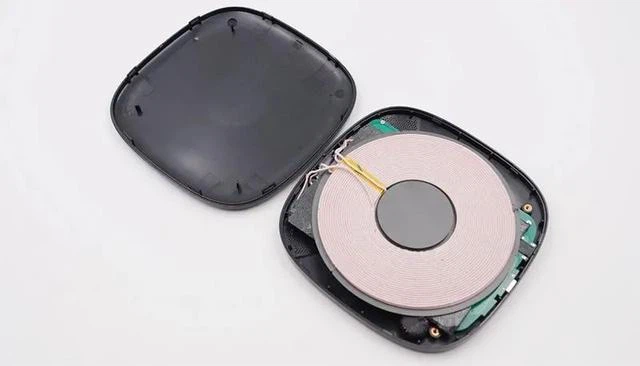
In addition, high thermal conductivity interface materials also have good reliability and durability. During car driving, wireless chargers are affected by factors such as vibration, shock, and temperature changes, requiring durable interface materials to maintain stable thermal conductivity. High thermal conductivity interface materials usually have good mechanical strength, aging resistance and corrosion resistance, and can work stably in harsh environments for a long time.

Finally, the selection of high thermal conductivity interface materials also needs to consider their compatibility with automotive materials. Due to the presence of various materials inside the car, such as metal, plastic, and glass, interface materials need to be compatible with these materials and ensure that they do not cause damage or reactions. Therefore, when selecting high thermal conductivity interface materials, it is necessary to conduct sufficient material compatibility testing and select according to the specific material requirements of the vehicle.

High thermal conductivity interface materials can effectively solve the heat dissipation problem of automotive wireless chargers through their excellent thermal conductivity, tight fit, reliability, and durability. In the future development of automobiles, the application of high thermal conductivity interface materials will continue to play an important role in improving the efficiency and reliability of wireless charging technology.


