Wireless Router thermal cooling applications
The specifications of the router will be marked with the working temperature, such as 0 ℃ ~ 40 ℃. When the router works, the heat is too high, which will affect the wireless signal, such as unstable signal or network disconnection. Especially in summer or in the south, 7x24 hours of plug-in work without interruption. If the heat dissipation is not timely, it is easy to make the temperature of the router too high. So, how does the router dissipate heat quickly?

General household routers use passive cooling, through the body cooling hole, the heat dissipation fin near the main board and the thermal conductive silicone pad. Of course, some routers are equipped with fans to change passive cooling into active cooling.

The most ideal router heat dissipation should first consider its size. The large router shell is better than the small one. Second, the metal shell is better than the plastic one. As we all know, the metal has good thermal conductivity and is conducive to heat dissipation. Not only that, the metal shell is also more solid and durable. In addition to the shell material, pay attention to the number of heat dissipation holes, which is very important for heat dissipation. It is recommended to select the model with a large number of cooling holes, which is more conducive to the rapid discharge of heat from the inside to the outside. In addition, the heat dissipation effect of vertical is better than that of horizontal.

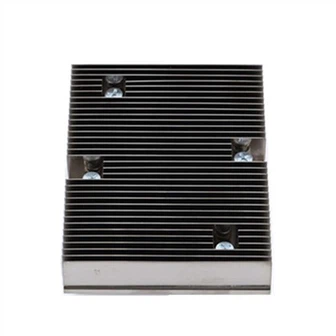
Adding a cooling heatsink is also one of the most effective ways of heat dissipation. Apply thermal grease or thermal conductive PAD between the heatsink and the router to transfer the heat to the heatsink in time for heat dissipation.