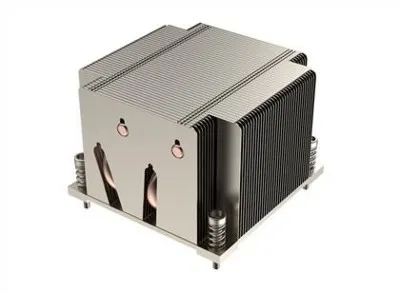
Application of liquid cooling technology for electronic chips
Electronic chip technology is widely used in our daily life, and many intelligent products will use this technology. Electronic chips play an important role in people's life and production, but their cooling problem has always been the focus of experts' research. Electronic chips are the core of a product, and their work intensity is the largest. The greater the workload, the faster the heat of electronic chips rises, There is a positive correlation between the two. The cooling technology of electronic chips has changed from natural cooling at the beginning to artificial wind cooling and then to liquid cooling now. In this process, the cooling time of electronic chips has been shortened and the cooling effect is getting better and better.

Since the invention of the electronic chip, its technical level has been constantly innovated. In order to prolong the use time of the electronic chip and improve the quality, scientists have made many changes to the appearance of the electronic chip. These changes are traceable. The appearance has become thinner and thinner, and the volume and quality have become smaller and smaller. The operation of electronic equipment is inseparable from the electronic chip, If the electronic chip can work continuously for a long time without heating, it will certainly improve people's work efficiency
Liquid jet cooling technology:
As a common type of liquid cooling technology for electronic chips, liquid jet cooling technology has been widely used in recent years. Jet cooling technology can effectively solve the heat dissipation problem of electronic equipment. The use method of this technology is to spray the liquid to the surface of electronic equipment through a special jet instrument, and the liquid will soon become a thin film, so that electronic equipment can isolate heat sources, Accelerate heat dissipation. The liquid that can be effectively used by jet cooling technology is limited, and not all liquid can be used as coolant. The coolant should not only have a low boiling point, but also cannot react with electronic equipment, such as liquid nitrogen and other refrigerants. Jet cooling technology has a wide range of applications, and can be used in general industry, metallurgy, manufacturing, etc. Although this technology has developed rapidly in recent years, However, there are also some defects, such as narrow refrigerant selection range and slow cooling. Scientists are also looking for more kinds of coolants to improve the cooling efficiency of this technology.

Microchannel liquid cooling technology:
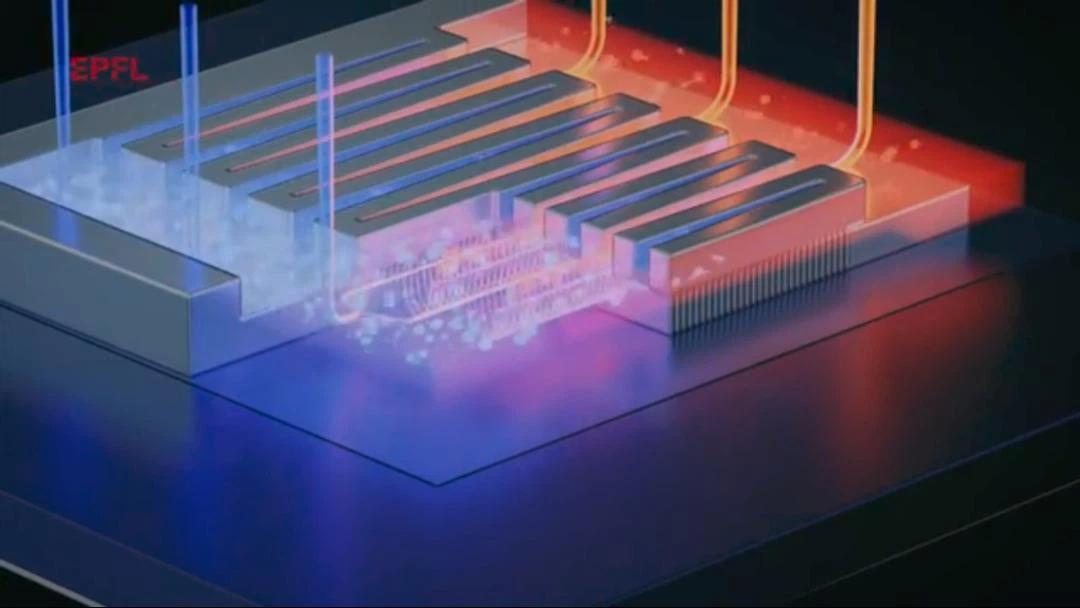
According to the different working principles, it can be divided into many types, and the principle of each liquid cooling technology is different, and the cooling effect is also different. The micro channel liquid cooling technology is one of the widely used technologies. This technology was first promoted in the 1980s, and has been continuously improved in the following decades. To this day, It has been widely used in many fields. The rapid development of this technology can not be separated from the efforts of experts and scholars. The microchannel cooling technology was not applied to small electronic chips at the beginning, but it was not until the invention of the electric infiltration pump that this technology was popularized in small electronic chips. Scientific researchers found that, The liquid cooling technology of microchannels is affected by many factors. When the shape, material, length, size and other conditions of microchannels are different, their cooling effects on electronic chips are also different. Of course, the experimental effect of this technology is also related to the flow rate, temperature and other factors of the liquid in the microchannels.
Macro liquid cooling pipe cooling technology:
The macro liquid cooling pipe cooling technology can achieve the ideal cooling effect by using water as the refrigerant. However, the research of this technology in China has just started, and the application is not widespread. This technology has the advantages that the previous technologies do not have. As the most easily accessible resource in nature, water is very convenient to obtain, and the cost is low, and it has been promoted in many countries.

Nanofluid cooling technology:
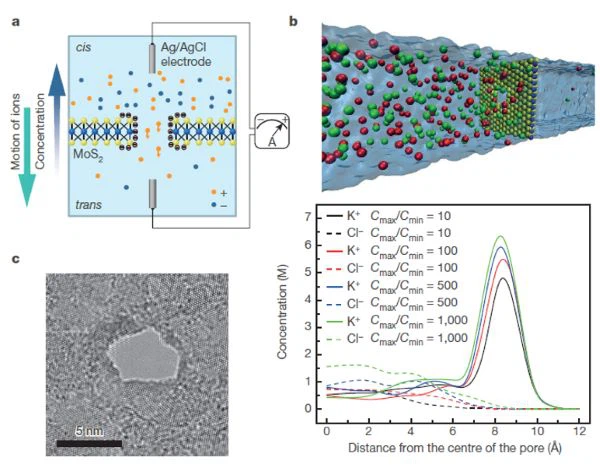
With the discovery of nanotechnology and new coolants, scientists are preparing to use these new materials as refrigerants, which is also a revolutionary standard for the development of liquid cooling technology for electronic chips. Adding nano droplets to ordinary coolants (water, ethanol, etc.) can enhance their thermal conductivity. Yang et al. investigated the effect of adding nano droplets to FC-72 (perfluorinated chemicals) on its heat transfer capability, in which the droplet diameter is about 9.8nm, and the volume fraction is 12%, The measured effective thermal conductivity has increased by 52%. Since FC-72 is often used as a working medium for immersion chip cooling, adding nano droplets to this medium is expected to improve the cooling effect of the chip. Nanofluids have thermal conductivity many times higher than water, and their price is much lower than that of liquid metal. Therefore, nanofluids should be the first choice of coolant materials in the future liquid cooling system, Its research should focus on improving system stability and thermal conductivity.
Electronic chip cooling technology is closely related to people's real life. In addition to the above technologies, more new principles and effects have been proposed and applied, and the connotation of chip cooling technology is more rich. Compared with developed countries, the research and development of electronic chip cooling technology in China is still in the primary stage, and further in-depth research is needed.