Brief introduction of Servers
With the advancement of technology, including cloud computing and virtualization, the physical size of servers is no longer the only criterion for measuring their performance. However, no matter how technology changes, the physical size and form design of servers will still be important considerations in data center design and operation.
The "U" of a server refers to the unit rack space, which is usually used to measure the height of the rack occupied by the server. 1U represents a height of 1.75 inches (approximately 4.445 centimeters), which is one unit of height in a standard 19 inch wide rack (cabinet). In addition, there are common sizes such as 2U and 4U, all of which are integer multiples of 1U. On these server selling websites, indicating 1U or a few U actually indicates the height of the physical size of the server, which is related to the efficiency of cabinet space utilization and server scalability. For example, 1U servers are particularly suitable for data centers that require the deployment of a large number of servers due to their space saving characteristics.

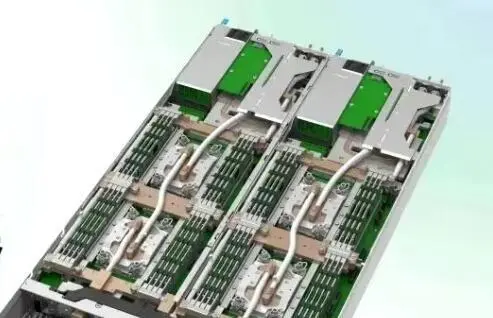
The physical form of servers can be roughly divided into tower, rack, and blade types. The design of rack mounted servers is aimed at stacking multiple servers together, saving space and facilitating unified management. When purchasing rack mounted servers, manufacturers will identify them in units of "U" based on the height of the server design. 1U servers are the most common height specification for rack servers, with a thickness of only 1.75 inches, making them more suitable for environments with high space requirements, such as small enterprise server rooms or large data centers. However, due to limited space on a 1U server, its scalability and cooling capacity may not be as good as servers with higher U counts.

Choosing the appropriate number of "U" servers based on different business needs and space requirements is crucial for the IT construction of enterprises. A suitable server can not only provide sufficient computing power, but also save data center costs while ensuring operational efficiency. High U servers typically provide more internal space, so they can be equipped with more hardware components such as multiple CPU slots, more memory slots, and multiple hard drive slots. They are more suitable for application scenarios with high performance requirements, such as big data processing, complex scientific computing, or high-end virtualization environments.
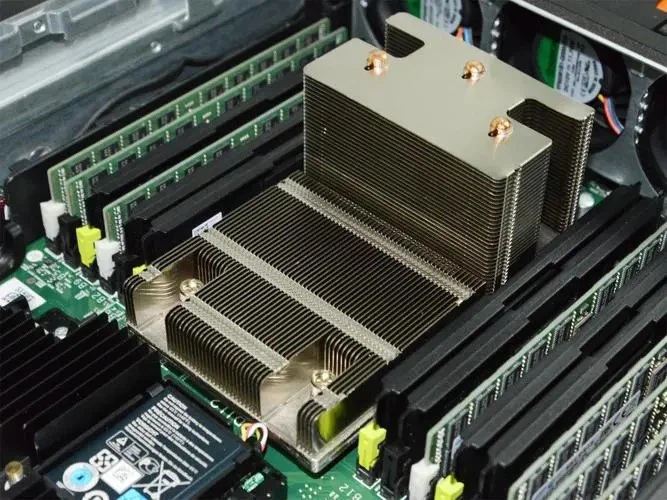
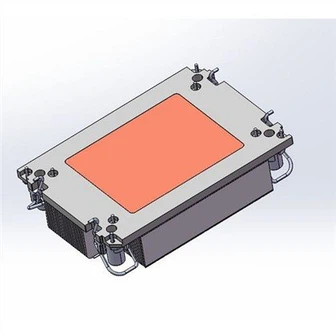
The choice of server size also affects heat dissipation and energy efficiency. Due to the compact space of 1U servers, heat dissipation is often a challenge, so they require an efficient cooling system to ensure normal operation. However, servers with higher U numbers often have more internal space and more flexible cooling designs, which can better distribute heat.

The design of future servers may tend to be more efficient and compact, while emphasizing innovation in energy utilization and cooling technology. This will help data centers better control costs and reduce environmental impact while providing high-performance computing services. The U size of servers is a rack based design standard that helps IT managers arrange data center space reasonably, ensuring a balance between server performance, scalability, and cost. Considering the spatial optimization of data centers and the performance requirements of hardware, the size selection of servers is crucial.