Copper Coating New Thermal Management Technology
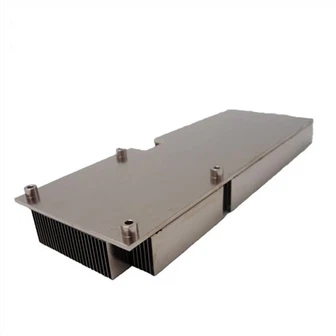
Electronic devices generate heat, which must be dissipated. If not done, high temperatures can affect the functionality of the equipment and even damage the equipment and its surrounding environment. Traditional heat sinks typically require a heat sink base and fins, which are typically installed on top of electronic devices and direct heat to the fins. Unfortunately, in many cases, most of the heat is generated at the bottom of electronic devices. This means that the cooling mechanism is not located where it is needed to achieve optimal performance.

In recent years, thermal manufacturers have developed a new cooling method that provides numerous benefits, the most important of which is space efficiency. Compared with traditional methods, the unit volume power of the equipment has been significantly improved. The main material used in the new plan is copper, which is relatively cheap. The copper coating completely covers the entire equipment, so no heat producing areas are ignored. This technical solution does not require thermal interface materials, and the equipment and copper coating are basically integrated. In addition, no additional heat sink is required.

In the study, the coating solution was compared with the standard radiator solution, and the results showed that compared to the radiator, the coating can achieve very similar thermal performance, or even better performance. However, devices using new solutions are much smaller than those using heat sinks, as the latter are bulky. This means that the power per unit volume is much higher, with a 740% increase in power per unit volume .

Engineers are still studying the reliability and durability of coatings, which is crucial for the industry's acceptance. If the coating can be used in both air and water at the same time, it will be a great help for the technological solution progress of the heat dissipation industry. These ongoing efforts are driving the transition of new solutions to various applications in industrial and commercial production, including power electronics cooling, data center thermal management, and electric machine cooling.