How to design a heat sink for LED
In recent years, LED lighting has gained great popularity due to its high energy efficiency, long life and environmental benefits. However, one of the key challenges in designing LED lighting systems is managing the heat generated by the LEDs. Excessive heat can significantly reduce LED life and efficiency, so designing effective heat sinks for LED lighting applications is critical.
The heat sink is a passive cooling system that helps dissipate heat away from the LED assembly to maintain optimal operating temperature. When designing an LED heat sink, there are several key factors to consider to ensure efficient heat dissipation and reliable performance. In this article, we will discuss fundamental aspects of heat sink design for LED applications, focusing on the use of advanced materials and innovative design techniques.

1. Understand LED heating conditions
LEDs are semiconductor devices that convert electrical energy into light, but also generate heat in the process. The heat generated by an LED is directly related to its power consumption and operating conditions. With the continuous advancement of LED technology, high-power LEDs are becoming more and more popular, and the requirements for heat dissipation are also getting higher and higher.
In order to design an effective LED heat sink, it is critical to thoroughly understand the thermal characteristics of the LED used, including junction temperature, maximum power dissipation, and thermal resistance. This information will serve as the basis for determining heat sink requirements and designing the optimal cooling solution.
2. Choose the right radiator material
Heat sink material selection is critical in determining the thermal performance and overall effectiveness of your cooling system. Aluminum and copper are the most commonly used materials for LED heat sinks due to their excellent thermal conductivity and lightweight properties.
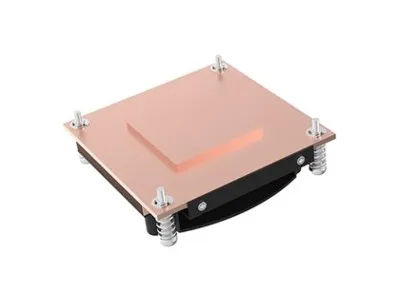
Aluminum is a popular choice for LED heat sinks due to its high thermal conductivity, cost-effectiveness, and ease of manufacturing. Copper, on the other hand, has higher thermal conductivity, making it a suitable choice for high-power LED applications that require maximum heat dissipation. Copper radiators are also known for their excellent corrosion resistance and durability.
In recent years, there has been increasing interest in the use of advanced composite materials for LED heat sinks, such as carbon nanotube-based composites and graphene-reinforced materials. These advanced materials have enhanced thermal conductivity and mechanical properties, offering the potential to significantly improve heat sink performance and efficiency.
3. Optimize radiator design
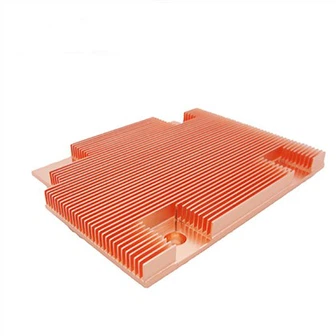
The design of the heat sink plays a vital role in maximizing the surface area for heat dissipation and promoting airflow to carry away heat. The geometry and fin structure of a heat sink are key factors in determining its thermal performance. For LED applications, finned heat sink designs are often used to increase surface area and improve heat transfer.
Additionally, the integration of thermal interface materials (such as thermal pads or thermal paste) between the LED and heat sink is critical to minimizing thermal resistance and ensuring efficient heat transfer. Proper mounting of the LED to the heat sink is critical to establishing a low thermal resistance heat dissipation path.
In addition to traditional finned heat sink designs, advances in additive manufacturing technology allow heat sinks to be developed with complex geometries and custom shapes, allowing greater flexibility in design and thermal performance optimization. Additive manufacturing processes such as 3D printing can create complex internal structures and optimized airflow paths within heat sinks, thereby improving cooling efficiency in LED applications.
4. Implement thermal management solutions
In addition to heat sinks, other thermal management solutions can be implemented to further improve the overall cooling efficiency of the LED lighting system. Active cooling technologies, such as fans or liquid cooling systems, can be integrated with heat sinks to provide additional cooling capabilities, especially for high-power LED applications where passive cooling alone may not be sufficient.
In addition, the design of LED lighting systems should consider the overall thermal environment, including ambient temperature and airflow conditions, to ensure that the heat generated by LEDs is effectively dissipated. Proper ventilation and heat dissipation pathways should be incorporated into the overall system design to prevent heat build-up and maintain the optimal operating temperature of the LEDs.
In summary, the design of heat sinks for LED applications requires careful consideration of various factors, including the thermal characteristics of the LED, selection of appropriate heat sink materials, and optimization of the heat sink design. By utilizing advanced materials and innovative design techniques, efficient heat sinks can be developed to effectively dissipate heat, ensuring the long-term reliability and performance of LED lighting systems. As LED technology continues to evolve, effective thermal management solutions, including heat sinks, remain critical to maximizing the benefits of LED lighting while maintaining optimal operating conditions.