Inverter Heat Sink Design for photovoltaic industry
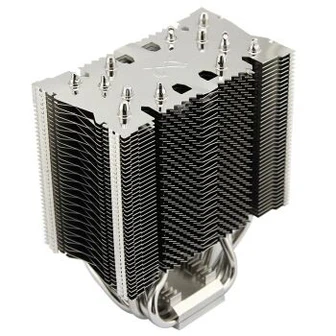
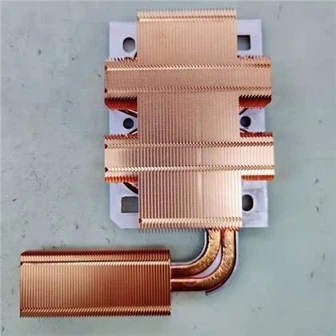
Inverter heat sink design plays a crucial role in the photovoltaic industry. Heat sink is an important component that ensures the safe operation of the inverter in solar systems. The heat generated by photovoltaic modules needs to be dissipated effectively to prevent damage to the inverter. In this blog, we will discuss inverter heat sink design for the photovoltaic industry.
Inverter heat sinks are designed to dissipate heat away from the inverter. The heat sink is made up of a material that absorbs heat and transfers it away from the inverter. The most commonly used material for heat sink design is aluminum, due to its high thermal conductivity and availability.
There are two types of heat sinks: passive and active. Passive heat sinks rely solely on convection for heat dissipation, while active heat sinks use forced air or liquid cooling to remove heat. Active heat sinks are more effective than passive heat sinks, but they require additional components and can be more costly.
When designing an inverter heat sink for the photovoltaic industry, several factors need to be considered. The size of the heat sink is an important consideration. It needs to be large enough to dissipate the amount of heat generated by the solar system. The shape of the heat sink also needs to be carefully considered to ensure optimal airflow and heat dissipation.
Another important consideration for inverter heat sink design is the thermal interface material (TIM). TIM is the material that is used to transfer heat from the inverter to the heat sink. The most commonly used TIM is thermal paste, which is applied between the inverter and the heat sink. Other possibilities include thermal pads or phase change materials.
Inverter heat sink design also needs to consider the operating temperature range of the inverter. Inverters typically have a specified operating temperature range, and the heat sink needs to be designed to keep the inverter within this range. If the inverter operates at too high of a temperature, it can cause damage to the system.

Overall, inverter heat sink design is crucial for the safe and efficient operation of solar systems in the photovoltaic industry. A well-designed heat sink can facilitate the dissipation of heat and help to extend the life of the inverter. By considering factors such as size, shape, TIM, and operating temperature range, designers can create effective heat sinks that ensure the reliable operation of solar systems.
Sinda Thermal is a leading thermal manufacturer in China, our factory was founded in 2014, and located in Dongguan city, China, we are offering varieties of heatsinks and other precious metal parts. Our plant possesses 30 sets advanced and high precious CNC machines and stamping machines, also we have many testing and experiment instruments and professional engineering team, so our company can manufacture and provide high quality products with high precision and excellent thermal performance. Sinda Thermal is commited to a range of heat sinks which are widely used in new power supply, New energy vehicles, Telecommunications, Servers, IGBT, and Madical. All the products accord with Rohs/Reach standard, and the factory is qualified by ISO9001 and ISO14001. Our company has been a partner with many customers for good quality, excellent service and competitive price. Sinda Thermal is a great heat sink manufacturer for the global customers .