LED chip cooling
The heart of LED is a semiconductor chip. One end of the chip is attached to a bracket, one end is the negative pole, and the other end is connected to the positive pole of the power supply, so that the whole chip is encapsulated by epoxy resin. If the thermal cooling problem is ignored, it will not only affect the service life of the LED lamp, but also burn the LED lamp. At the same time, it also affects the normal growth of irradiated plants. Therefore, heat dissipation is a very important link in LED lamp manufacturing.

Outdoor LED has been widely used in daily life, and its heat dissipation is also an increasingly thorny problem. Especially in summer, some commercial splicing displays still need to work 24 hours a day in a high temperature environment. It is also particularly important to meet the needs of efficient and reasonablethermal solutions.

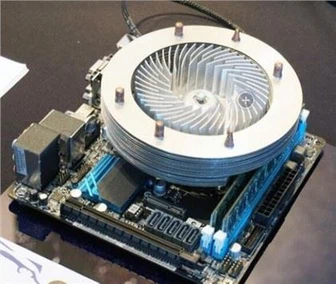
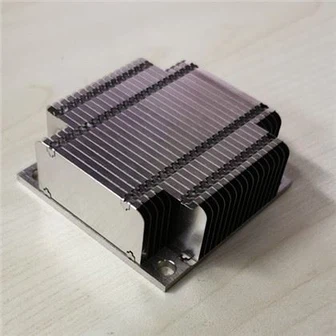
For the outdoor display screen, due to the restrictions of conditions, the active cooling methods such as air conditioner and fan can not be used. The passivecooling method (thermal interface material, heat pipe radiator, etc.) is mainly used to conduct the heat of the splicing display screen as the heat source in time and exchange with the air.

LED chips in LED lamps are electronic components with high heat flux density. During their operation, due to their static and dynamic losses, they produce a large amount of excess heat, which is radiated to the outside through the thermal cooling system to maintain the stability of their working temperature. At present, the luminous efficiency of LED is still relatively low, which leads to the increase of junction temperature and the reduction of service life.

In order to reduce the junction temperature and improve the service life, we must pay great attention to the problem of thermal issues. The thermal design of LED must start from the chip to the whole radiator, and full attention should be paid to every link. Improper design of any link will cause serious heat dissipation problems. Therefore, thermal design for the LED cooling system is very necessary and important.