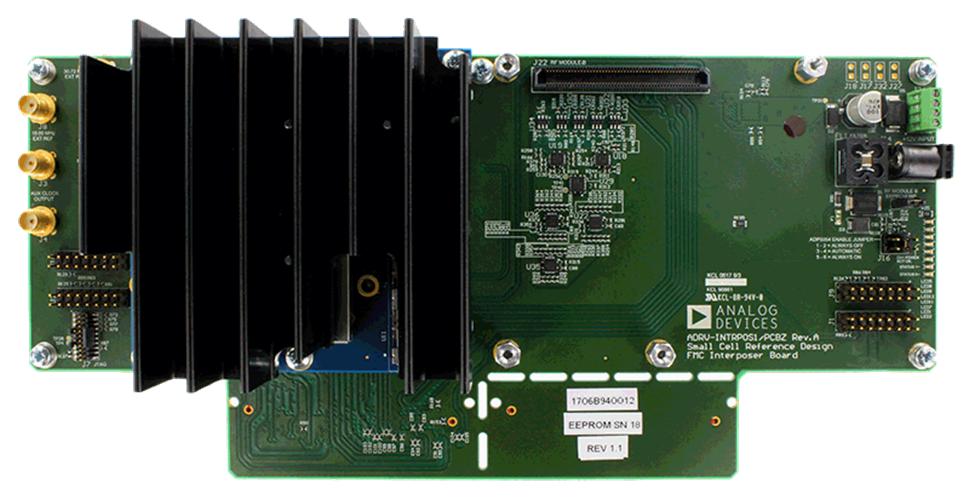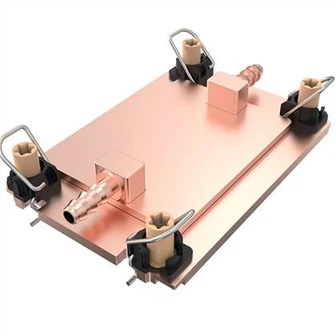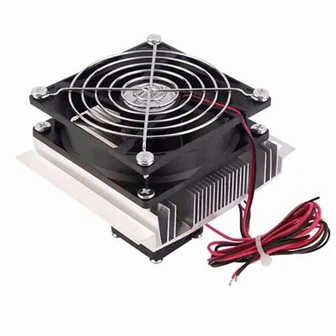
PCB board thermal cooling
As we all know, PCB circuit board design is a downstream process closely following the principle design. The quality of the design directly affects the product performance and marketing cycle. We know that the devices on the circuit board have their own operating ambient temperature range. If they exceed this range, the working efficiency of the devices will be greatly reduced or failed, resulting in device damage. Therefore, heat dissipation is a key consideration in PCB design.
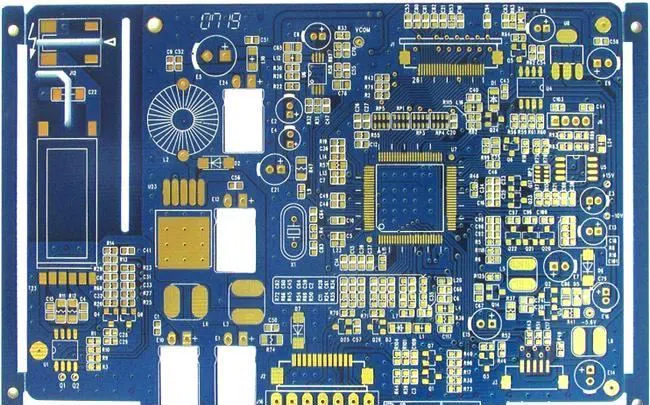
The thermal cooling of PCB circuit board is related to the selection of plate, the selection of components, the layout of components and so on. Among them, layout plays an important role in PCB heat dissipation and is the key link of circuit board heat dissipation design. The Engineer shall consider the following aspects when making the layout:
1. The components with high heating and high radiation are designed and installed on another PCB circuit board, so as to conduct separate centralized ventilation and cooling to avoid mutual interference with the main board;
2. The heat capacity on the surface of the circuit board shall be evenly distributed. Do not place high-power devices in a centralized manner. If it is unavoidable, place low components in the upstream of the air flow and ensure that sufficient cooling air flow flows through the heat consumption concentration area.
3. Keep the heat transfer path as short as possible
4. Make the heat transfer cross section as large as possible
5. The direction of forced ventilation is consistent with that of natural ventilation
6. keep the air inlet and exhaust at a sufficient distance
7. The air duct of additional daughter boards and devices shall be consistent with the ventilation direction
8. The heating device shall be placed above the product as far as possible and on the air flow channel when conditions permit
9. Components with large heat or current shall not be placed at the corners and surrounding edges of the blind buried hole circuit board. Radiators shall be installed as far as possible, away from other components, and ensure that the heat dissipation channel is unobstructed.

For electronic equipment, certain heat will be generated during operation, so that the internal temperature of the equipment will rise rapidly. If the heat is not dissipated in time, the equipment will continue to heat up, the devices will fail due to overheating, and the reliability of electronic equipment will decline. Therefore, it is very important to heat the circuit board well.