The Application of thermal conductive materials in the medical device industry
The current application of thermal interface materials is very extensive, ranging from computer CPUs to various new energy vehicles, medical equipment and military industrial applications. With the continuous progress of the times, people are almost surrounded by technological products, and then make many related industries are developing rapidly.
Today we are going to talk about what are the roles of thermal interface materials in the medical device industry.
As long as the equipment are operating, they will encounter t problems, and the use of medical equipment is not a exception. The overheating problem of equipment is one of the main factors that endanger its stability and reliability.

Equipment generating heat is also called energy conversion. When the energy is converted into the target energy, a part of the energy will be lost, and a large part of the energy is wasted in the form of heat. If the heat dissipation is not completed in time, it will affect the performance of the equipment.
For example, although the energy consumption of surgical instruments currently used in surgery is only a few watts, the difficulty of heat dissipation will be greatly increased due to the limited space for use and touch temperature; larger instruments may consume hundreds of Watts of power, temperature control limits for internal components and systems, can also cause a lot of trouble.
Therefore, the energy consumption rate of different medical instruments varies greatly, and thermal interface materials play an important role in thermal solution.
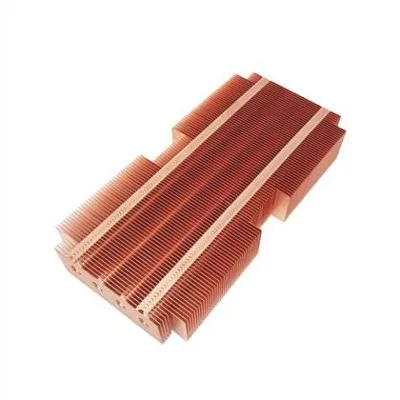
Although some medical devices are supported by heat sinks, but that is not enough. Under normal circumstances, the principle of heat dissipation is to install a radiator above the heat source to absorb the heat into the radiator, and the direct contact between the radiator and the heat source is impossible to effectively dissipate heat, because there is a tiny gap between the radiator and the heat source, and there is air in the gap. The air is a poor conductor of heat, and the heat conducting efficiency from the surface to the radiator is impacted, resulting in poor heat conduct, and could not achieve the desired effect.
At this time, it is necessary to integrate R&D, materials, and services in multiple ways in order to successfully solve the key heat dissipation problems.
Different equipment chooses different types of thermal interface materials and heat sinks, such as thermal conductivity, thermal conductivity material status, etc. It is very important to choose a professional thermal manufacturer.
Sinda Thermal is a very professional and experienced thermal manufacturer, we are a leading heat sink supplier and offer varieties of heat sink design and manfuacturing, please feel free to contact us if you have any thermal requirements.