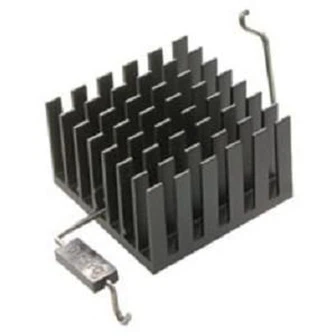
Understanding the thermal management in LEDs
Light-emitting diodes, commonly known as LEDs, are a form of electronic lighting technology that has become increasingly popular over the past few decades. Unlike traditional incandescent bulbs or fluorescent lights, LED lights use much less energy and last longer. However, when using LED lighting for any purpose, it is essential to understand thermal management in LEDs in order to ensure optimal performance and longevity.
LEDs produce light by converting electricity into heat which then generates photons of visible light. The amount of heat produced depends on the power level being supplied – too much power can cause overheating within the diode itself leading to reduced efficiency and even damage if left unchecked. Therefore proper thermal management is necessary to keep temperatures at an acceptable level for efficient operation without sacrificing quality or life span of the device.
There are two main ways that thermal management can be achieved with LEDs: active cooling via fans or other mechanical components like heatsinks; and passive cooling through materials such as ceramic substrates which absorb some of the heat released from the chip itself before dissipating it away from sensitive areas around it. Both methods require careful consideration depending on application requirements but generally passive cooling offers better protection against external elements like dust particles or water droplets than active solutions do due to its low profile design and lack of moving parts requiring maintenance over time.

In terms of implementation, there are several factors that must be taken into account when considering thermal management in LEDs including type/brand/model used (high-power vs regular), ambient temperature levels both inside & outside enclosure where they’re housed; expected duration per day/week/month etcetera; number & placement relative each other (to ensure enough airflow); total wattage consumed; reflectivity characteristics surrounding surface(s) they’re mounted onto etc.. All these variables will have an impact upon overall system performance so should not be overlooked!
In conclusion, understanding how best to manage heat generated by your specific model(s) LED lighting solution is key for achieving maximum lifetime expectancy whilst also ensuring optimal illumination output without compromising safety protocols during installation process - whether you opt for active or passive approach ultimately depends upon particular setup's unique environmental conditions along with budgetary restrictions faced but either way make sure you factor this important component into equation whenever possible!