The production process of the heatpipe
Heat pipe technology appeared as early as 1942, when Perkins invented and improved the thermosyphon (a simple gravity heat pipe). After 1942, Gaugler proposed the principle of modern heat pipes, but it was not actually applied. Until 1963, at the Los Alamos National Laboratory in the United States, G M. Grover once again proposed this principle. And invented a heat transfer element named "heat pipe". Heat pipe is a type of heat transfer element that fully utilizes the principles of phase change heat absorption and release to quickly transfer heat. Its thermal conductivity far exceeds that of any known metal.
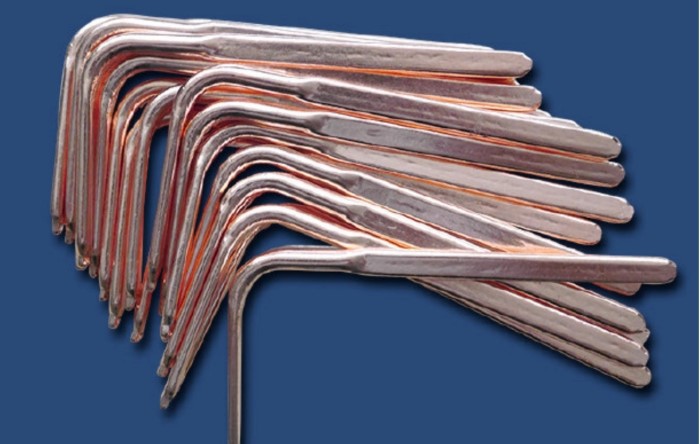
The heat pipe consists of three main components: a sealed casing, working fluid, and capillary structure. The shell maintains a vacuum seal for the working fluid of the heat pipe to achieve continuous heat transfer for decades. The working fluid must be compatible with the heat pipe casing and capillary structure materials when changing phase within the application temperature range.
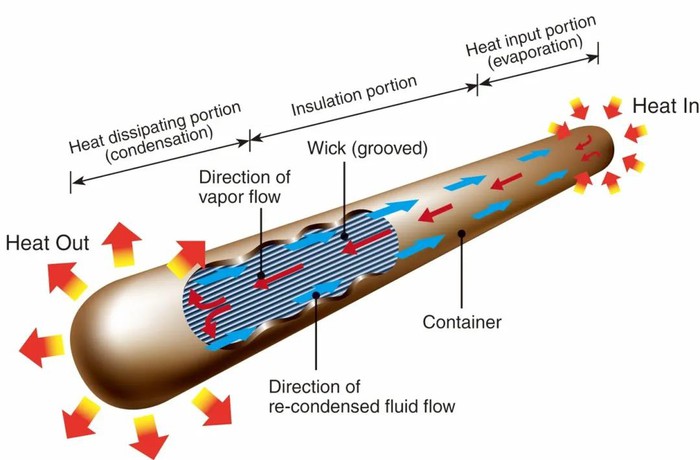
And below brief introduction show how does the heatpipe is made :
1. Cutting pipes: Cut long copper pipes into specified lengths
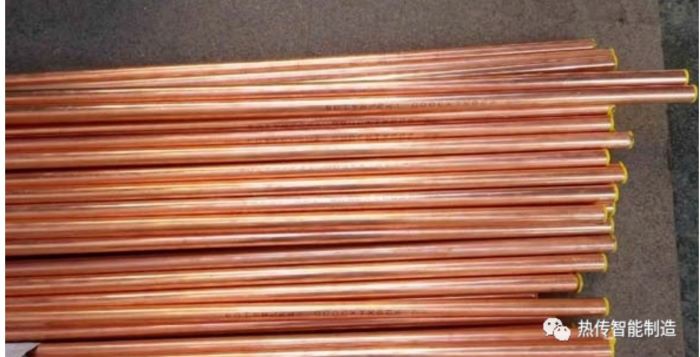
2. Shrink tube - take a certain length of the outer diameter of one end and reduce it to about 3mm (specific adjustments will be made based on the outer diameter and wall thickness)
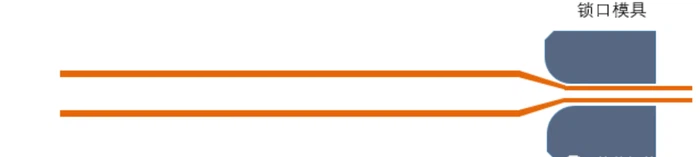
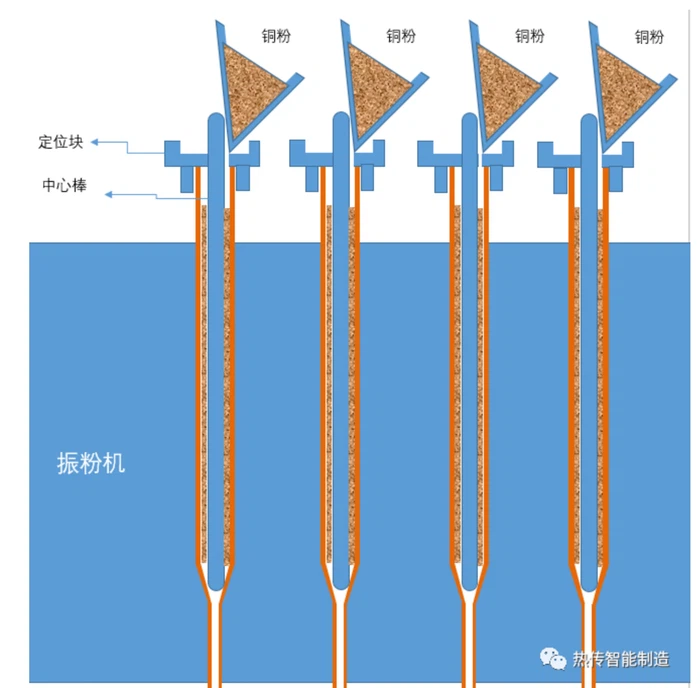
3. Powder filling - Insert a stainless steel core rod into the center of the copper tube and position it in the middle of the copper tube through a mold. Then, fill the copper powder with the specified particle size (using vibration equipment to achieve a certain density of copper powder to control the porosity of the sintered capillary structure)
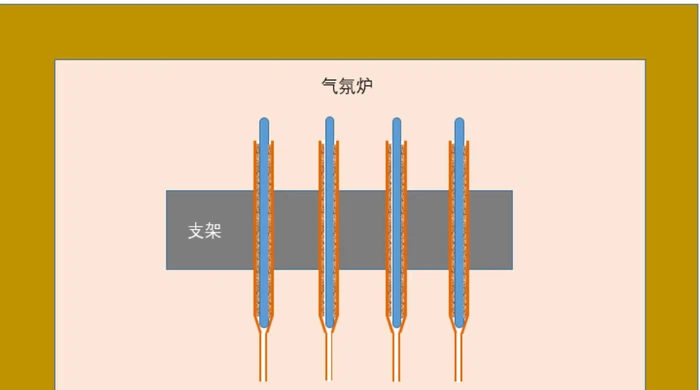
4. Copper powder sintering - sintering copper powder into shape at high temperature using a bell furnace or continuous furnace under reducing atmosphere protection .
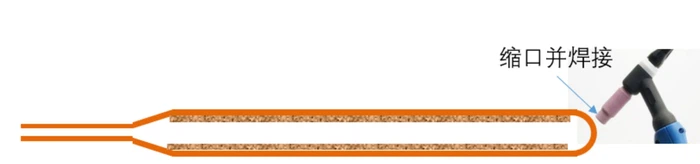
5. Shrink the tube, weld the tail end, which is the end filled with copper powder, shrink the mouth and weld it to seal it.
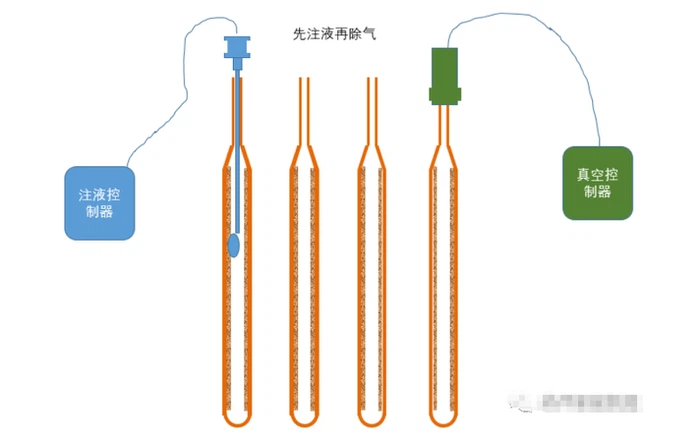
6. Liquid injection/one-time degassing: Inject a certain amount of ultrapure water into the heat pipe through quantitative water injection control equipment such as a liquid injection pump, and immediately remove the air inside the pipe body through vacuum equipment, sealing the pipe mouth.
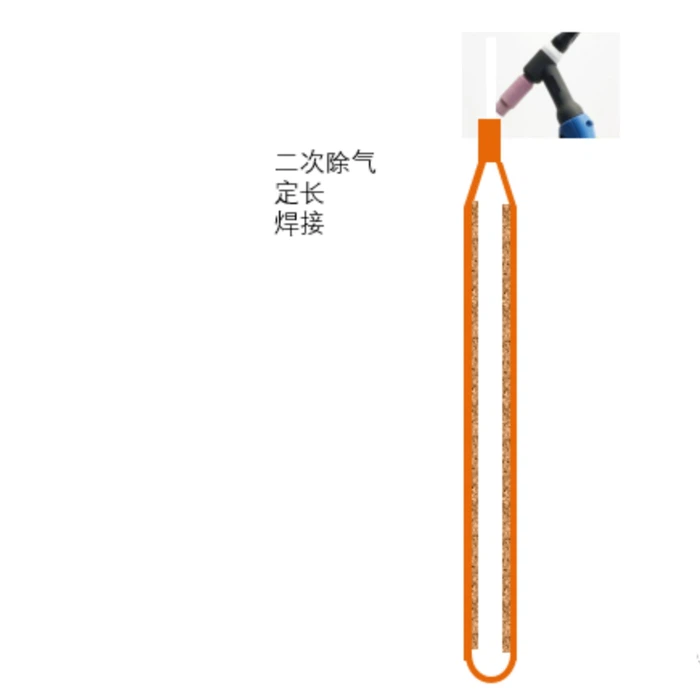
7. Secondary degassing/fixed length: As the first vacuum degassing may not be sufficient, another heating degassing is performed here, followed by a second sealing and accurate length cutting. After cutting, the cut is welded with argon arc welding to seal it.
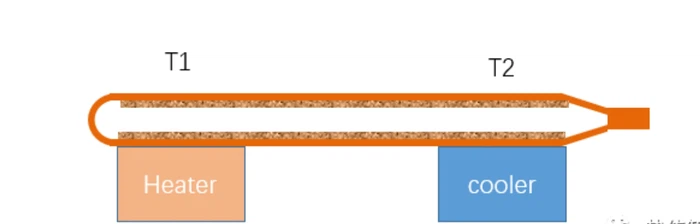
8. Temperature difference test and performance test: Test the thermal conductivity, temperature difference, and thermal resistance value of the heat pipe.
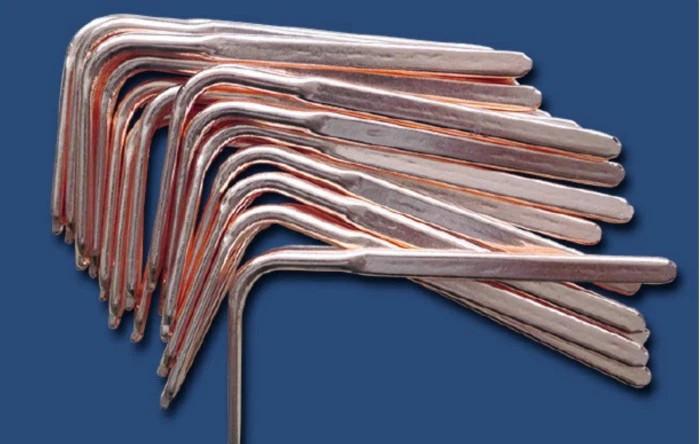
9.Post processing: Forming processes such as bending and flattening.
10. Aging test: pressure aging/high temperature aging.
11. Surface treatment : like anti-oxidant , nickel plated, etc