

The working principle and application fields of friction welding
In mechanical manufacturing operations, it is common for the metal surfaces of workpieces to adhere and weld together due to heat generated by friction, such as when turning workpieces on machine tools. Through the analysis of these adhesion and welding phenomena, the essence of friction welding can be understood. Friction welding is a welding method that utilizes the frictional heat and plastic deformation heat generated by the friction of the workpiece contact surface to raise the temperature near the interface to a temperature range close to but below the melting point, causing the workpiece to undergo plastic deformation and flow under pressure. This is achieved through the diffusion and recrystallization of interface molecules.
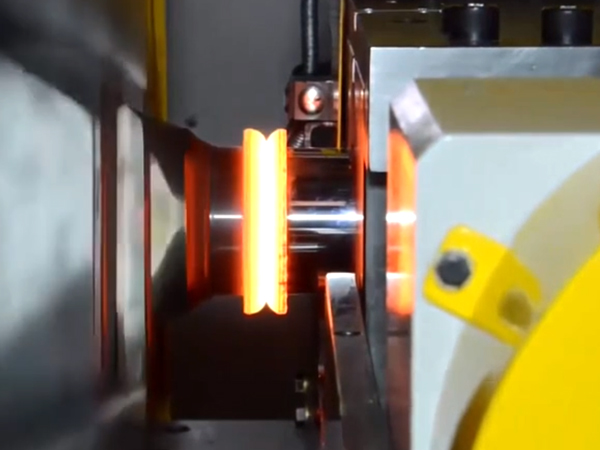
There are many methods of friction welding, and based on the trajectory of friction action and process characteristics, common ones in actual production include continuous drive friction welding, energy storage friction welding, phase control friction welding, inertia friction welding, track friction welding, and stir friction welding. Among them, continuous drive friction welding, phase control friction welding, inertial friction welding, and rail friction welding rely on the relative friction motion between welded parts to generate heat energy, which are collectively referred to as traditional friction welding. Friction stir welding, embedded friction welding, third body friction welding, and friction overlay welding are welding processes that rely on the heat generated by the relative frictional motion between the stirring head and the workpiece.
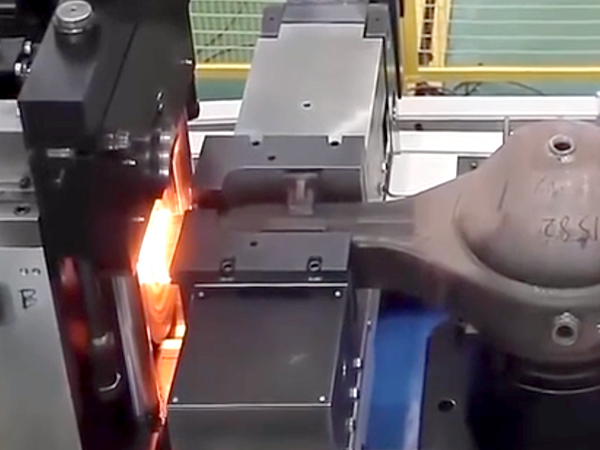
The friction welding process can be roughly divided into four stages:
1. The conversion of frictional mechanical energy into thermal energy;
2. Plastic deformation of materials;
3. Forging pressure under thermoplastic conditions;
4. Conclusion of intermolecular diffusion recrystallization welding.
Compared with traditional welding, friction welding has lower temperature and energy consumption, with electrical energy consumption as low as 20% of traditional welding. Both the same and different metals can be effectively welded. And the welding accuracy is high. The maximum error in the total length of the pre combustion chamber of diesel engines produced by friction welding is ± 0.1 millimeters. Stable welding quality and high strength can greatly extend the service life of the product. The welding process is not suitable for any welding consumables, and is clean, hygienic, and pollution-free. At the same time, the heat affected zone is small, the welding speed is fast, and the process temperature is lower than the melting temperature, effectively reducing solidification defects. Unlike traditional arc welding, friction welding does not pose any hazards such as sparks, arc light, or harmful gases, making it more conducive to environmental health and safety protection.
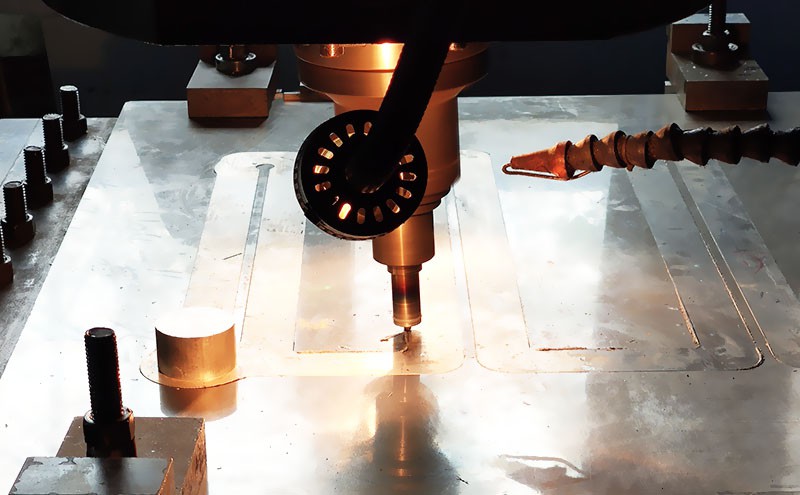
With its high-quality, efficient, energy-saving, and pollution-free technical characteristics, Friction welding has been increasingly applied in fields such as aerospace, nuclear energy vehicles, and mechanical manufacturing. It has received high attention from industrialized countries and has invested a large amount of funds in technology development and application. It is widely believed that friction welding is a reliable, reproducible, and reliable welding technology.
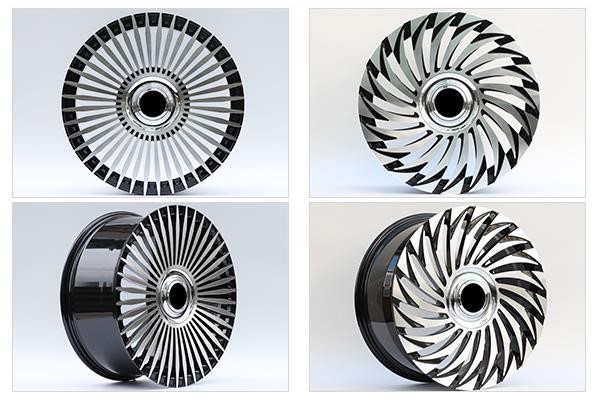
With the excellent welding performance of friction welding, this technology can also effectively complete various repair operations, such as key structural component cracking, sheet metal hole position errors, casting defects, quenching cracks, and other problems. Friction plug repair welding is a solid-state welding process with fast welding speed, small heat affected zone, and repair strength reaching over 90% of the body strength. The repair process is fully automated, reliable in quality, and the welded parts meet high standard usage requirements, reducing the economic and schedule losses of material and part scrapping.


